Best Trekking Routes for Beginners and Experts
Trekking is one of the most rewarding outdoor activities, offering a perfect blend of adventure, fitness, and connection with nature. Whether you are taking your first steps into trekking or are an experienced hiker seeking challenging terrain, choosing the right route is essential for a safe and enjoyable experience. Here’s a detailed guide to some of the best trekking routes suited for both beginners and experts.
Trekking Routes for Beginners
Beginner-friendly treks are ideal for those who are new to hiking or prefer a relaxed pace. These routes usually have well-marked trails, gentle slopes, and comfortable accommodation options.
1. Valley and Meadow Treks
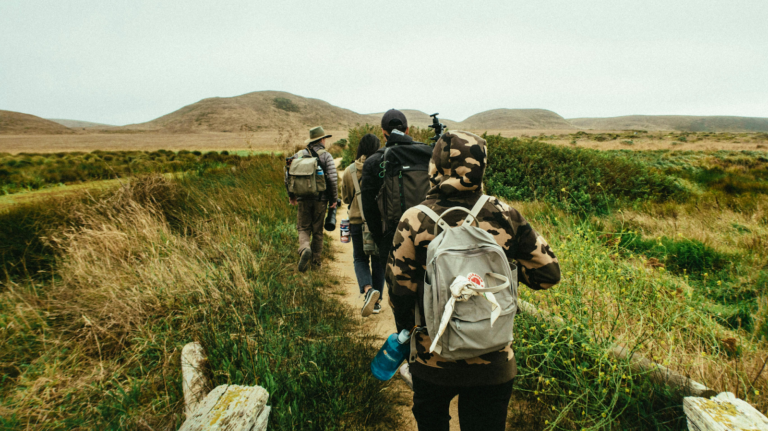
These treks pass through lush green meadows, forests, and small villages. The trails are generally wide and safe, making them perfect for first-time trekkers. Such routes help beginners build stamina while enjoying scenic beauty.
2. Short-Duration Hill Treks
Treks that can be completed within one or two days are excellent for beginners. They require minimal technical skills and allow trekkers to experience elevation changes without extreme fatigue.
3. Forest and Lake Trails
Routes that lead to alpine lakes or through forest reserves are usually calm and less demanding. They offer peaceful surroundings and help beginners gain confidence on natural terrain.
Trekking Routes for Experts
Expert-level treks are designed for seasoned trekkers who are comfortable with long distances, high altitudes, and unpredictable weather conditions. These routes demand physical endurance, mental strength, and proper preparation.
1. High-Altitude Mountain Treks
These routes take trekkers through snow-covered passes, glaciers, and steep ascents. Oxygen levels are lower, making acclimatization and fitness crucial for success.
2. Multi-Day Expedition Treks
Long-duration treks spanning several days challenge trekkers with varied terrain, including rocky paths, river crossings, and narrow ridges. These treks often require carrying essential gear and supplies.
3. Remote and Technical Routes
Expert treks may include offbeat trails with minimal infrastructure. Navigation skills, experience with extreme weather, and the ability to handle emergencies are essential on such routes.
How to Choose the Right Trekking Route
Selecting the right trekking route depends on your experience level, physical fitness, and personal goals. Beginners should start with shorter and well-supported treks, while experts can push their limits with challenging and remote routes. Always research the trail conditions, weather forecasts, and safety guidelines before planning your trek.
Final Thoughts
Trekking offers something for everyone—from peaceful walks through nature to intense mountain adventures. By choosing routes that match your skill level, you can ensure a memorable, safe, and fulfilling trekking experience. With proper preparation and respect for nature, trekking can become a lifelong passion.