The Evolution of Smartphones: Past, Present, and Future
Smartphones have transformed the way people communicate, work, shop, and entertain themselves. From bulky handheld devices used only for calls to powerful pocket-sized computers, smartphones have evolved rapidly over the last few decades. Understanding this journey helps us appreciate how technology has shaped modern life—and where it is headed next.
The Past: The Birth of Mobile Communication
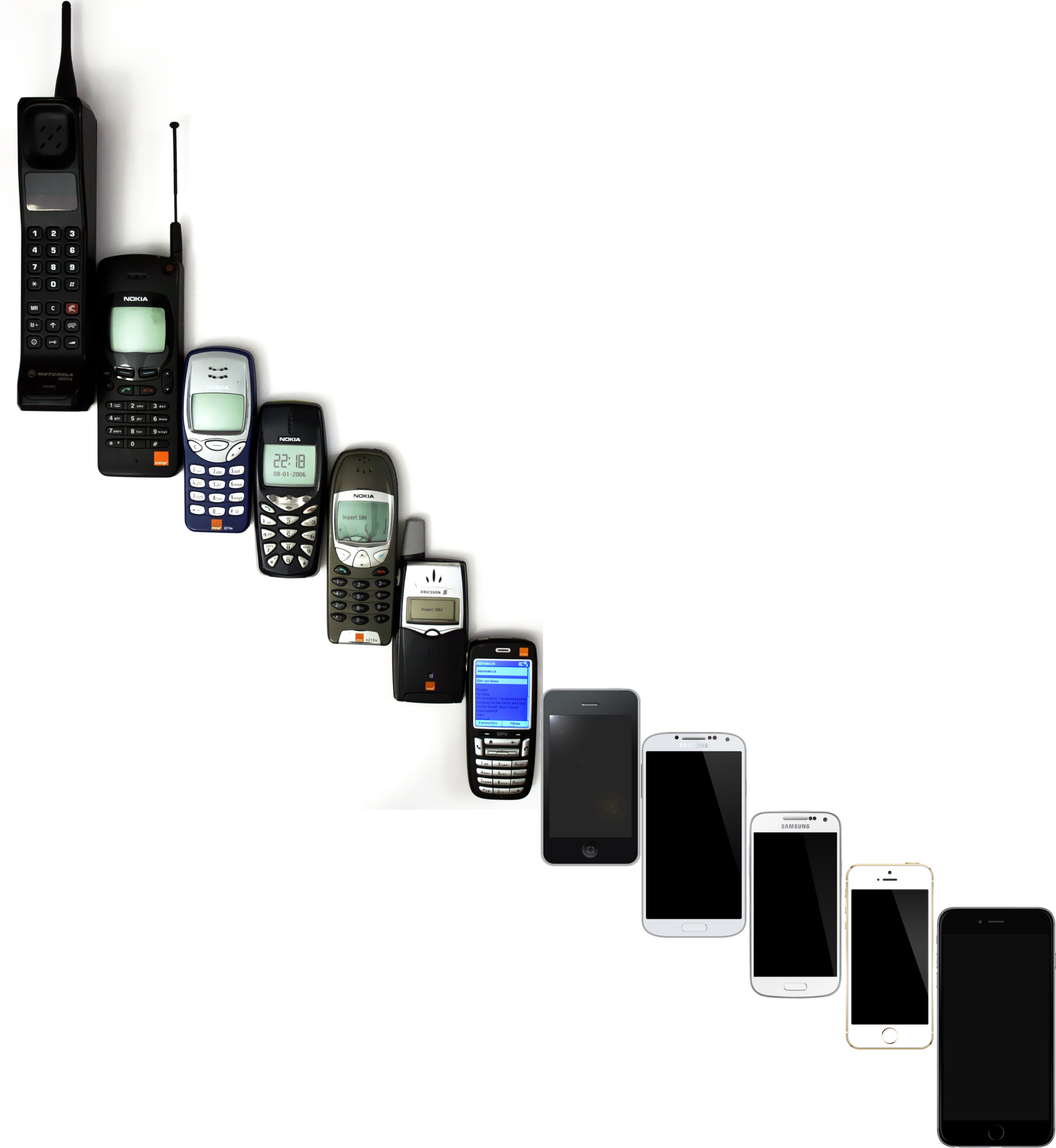
The early days of mobile phones were focused solely on voice communication. These devices were large, heavy, and expensive, making them accessible to very few people. Over time, phones became smaller and more affordable, introducing features like SMS, basic games, and monochrome displays.
The first smartphones began combining mobile phones with personal digital assistants. They offered features such as email access, physical keyboards, and simple internet browsing. Although limited by slow networks and basic hardware, these early devices laid the foundation for the smartphone revolution.
The Present: Powerful and Essential Devices
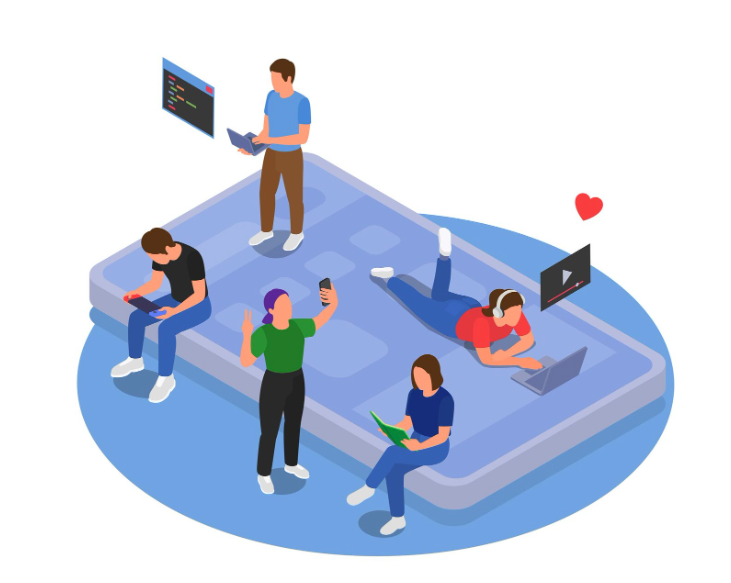
Today’s smartphones are an essential part of daily life. Modern devices feature high-resolution touchscreens, advanced cameras, biometric security, and powerful processors. They support fast internet connectivity, mobile payments, navigation, gaming, and productivity tools—all in one device.
App ecosystems have played a major role in smartphone growth. Users can customize their phones with apps for communication, health tracking, education, entertainment, and business. Cloud services, artificial intelligence, and high-speed networks have further enhanced smartphone capabilities, making them smarter and more efficient than ever before.
The Future: What Lies Ahead
The future of smartphones promises even more innovation. Foldable and rollable displays are already changing phone design, offering larger screens without sacrificing portability. Artificial intelligence is expected to become more deeply integrated, allowing phones to predict user needs and automate tasks.
Emerging technologies such as augmented reality, virtual assistants, and advanced sensors may redefine how people interact with their devices. Smartphones could also become central hubs for smart homes, vehicles, and wearable devices. Sustainability will likely play a bigger role, with manufacturers focusing on eco-friendly materials and longer-lasting devices.
Final Thoughts
The evolution of smartphones reflects the rapid pace of technological advancement. From simple calling devices to intelligent digital companions, smartphones continue to reshape how we live and connect with the world. As innovation moves forward, smartphones are set to become even more powerful, intuitive, and deeply integrated into everyday life.