
Online Education vs Traditional Learning: Which Is Better?
Education has evolved rapidly with technology, giving learners more choices than ever before. Online education and traditional classroom learning each offer unique benefits and challenges. Choosing the better option depends on individual learning styles, goals, and circumstances. Understanding the key differences can help students and parents make informed decisions.
What Is Online Education?
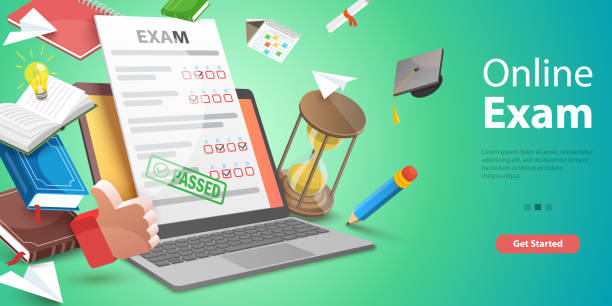
Online education delivers learning through digital platforms. Students attend virtual classes, access recorded lectures, submit assignments online, and interact through discussion forums or video calls. This mode allows learning from anywhere with an internet connection.
What Is Traditional Learning?
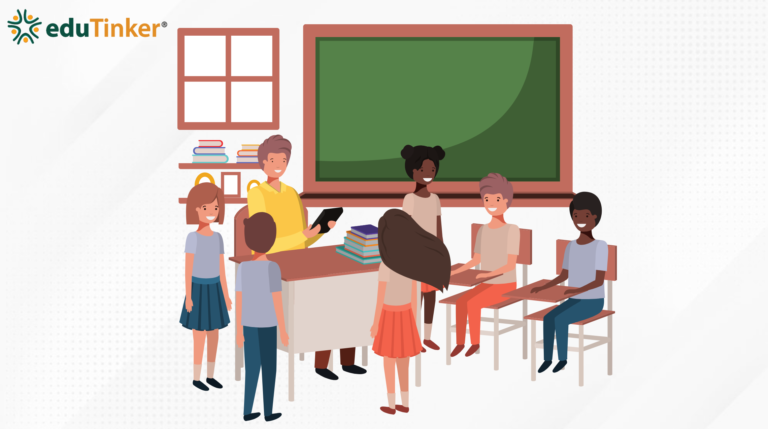
Traditional learning takes place in physical classrooms with face-to-face interaction between teachers and students. It follows a fixed schedule and provides a structured environment with direct supervision and in-person activities.
Advantages of Online Education
1. Flexibility and Convenience
Online education allows students to learn at their own pace and schedule. It is ideal for working professionals, remote learners, and those balancing multiple responsibilities.
2. Accessibility
Students can access courses from institutions worldwide without relocating. This opens opportunities for learners in remote or underserved areas.
3. Cost-Effectiveness
Online programs often reduce costs related to travel, accommodation, and physical infrastructure, making education more affordable.
4. Personalized Learning
Digital tools enable customized learning experiences, allowing students to revisit lessons and focus on areas where they need improvement.
Advantages of Traditional Learning
1. Face-to-Face Interaction
In-person communication helps build strong relationships with teachers and peers. Immediate feedback and classroom discussions enhance understanding.
2. Structured Learning Environment
Traditional classrooms provide discipline, routine, and a focused setting that benefits students who prefer guided learning.
3. Social Development
Classroom learning supports teamwork, communication skills, and social interaction, which are essential for personal growth.
4. Hands-On Experience
Subjects requiring practical training, labs, or physical activities are often better suited to traditional learning environments.
Challenges of Each Approach
Online Education Challenges
- Requires self-discipline and motivation
- Limited in-person social interaction
- Dependence on technology and internet access
Traditional Learning Challenges
- Less flexibility in schedules
- Higher costs for commuting and accommodation
- Limited access for remote learners
Which Is Better?
There is no one-size-fits-all answer. Online education works best for self-motivated learners who value flexibility, while traditional learning suits students who benefit from structure and face-to-face interaction. Many institutions now offer blended learning, combining the strengths of both approaches.
Conclusion
Both online education and traditional learning have their place in modern education. The best choice depends on learning preferences, lifestyle, and academic goals. As education continues to evolve, combining digital convenience with classroom interaction may offer the most balanced solution.