
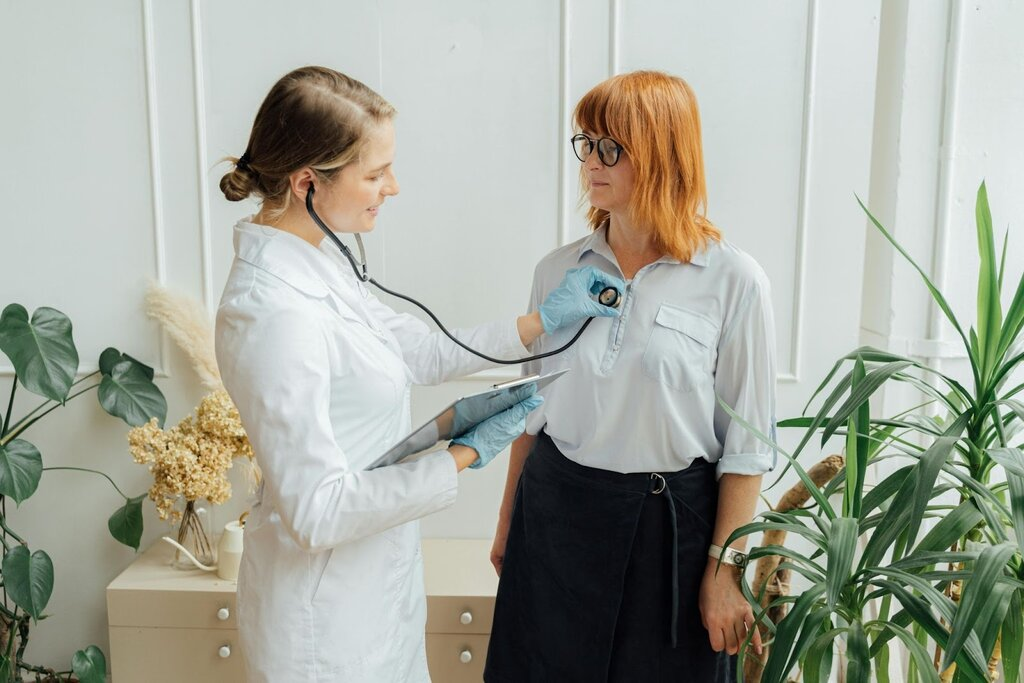
How Primary Care Doctors Support Healthy Aging in an Increasingly Older Population
Americans are pushing into their 80s and 90s now more than ever. They’re managing heart pills, aching joints, memory questions, and what feels like an endless parade of specialist appointments. Primary care for seniors becomes the glue holding everything together stopping the chaos before it spirals. In this piece, you’ll see how geriatric primary care cuts down needless hospital stays, safeguards your ability to move and think clearly, and pulls together every thread of your health strategy.
We’ll dig into what real preventive care for older adults means beyond the usual checkups, how physicians tackle healthy aging with intention, and why aging population healthcare needs sharper, more unified approaches than in decades past. You’ll also figure out when to hunt for the right doctor who actually gets what you want out of your later years.
Understanding primary care’s role in healthy aging begins with one truth: senior care today looks nothing like the “come in when you’re sick” model your grandparents knew. It’s anticipatory, connected, and built around you.
Preventive Care Visit Blueprint: Getting the Most Out of Primary Care Doctors Near Me
Bring a current medication list, BP or glucose logs, symptom timelines, and a top-three concerns list. Request fall risk checks, memory and mood screens, hearing and vision reviews, vaccine updates, and bone health talks. Ask which condition demands most attention, which medications can be simplified, and what changes warrant a call versus an ER dash. When you’re weighing primary care doctors near me, hunt for a practice offering geriatrics-informed methods, team-based care, and dependable same-week access.
Getting maximum value from each visit includes tackling not just today’s health worries, but also planning ahead for future scenarios in ways that honor your values and autonomy.
The Modern Role of Primary Care for Seniors in a Rapidly Aging Population
Older folks today need more than someone scribbling prescriptions. You need a conductor who takes the cardiologist’s suggestions, the endocrinologist’s lab work, and the orthopedist’s instructions and turns them into one coherent game plan.
The “quarterback” of care: coordinating specialists, tests, and treatments
Your physician fills the cracks between specialists catching duplicate scans, contradictory medical directions, or vague follow-up instructions. Shared decision-making lines up treatments with what actually matters to you: keeping independence, easing symptoms, adding good years. Fresh research reveals that patients aged 65 to 84 who are stuck with regular primary care access experienced lower 15-year mortality risk and lived about two years longer on average.
The shift from reactive sick-care to proactive healthy aging
Prevention, spotting trouble early, and protecting everyday abilities now rank ahead of waiting for emergencies. Doctors zero in on movement, thinking, social ties, and daily routines, not just numbers on a lab slip.
Geriatric primary care vs. standard adult primary care
Plenty of PCPs apply a geriatrics-aware approach without formal specialty training. Bringing in a geriatrician becomes smart when frailty, dementia, repeated falls, or a pill bottle army complicate standard care.Now that you’ve grasped the quarterback role your primary care physician fills, let’s unpack the specific prevention tactics they deploy to spot issues early, slash hospitalization rates, and keep you flourishing through every stage of getting older.
Care Planning That Respects Choices
Advance directives, health care proxies, and goals-of-care conversations happen before crises hit. Driving, home safety, and aging-in-place planning weigh safety without stripping autonomy. Doctors supply disability forms, caregiver letters, and referrals to legal resources within suitable scope.While most seniors flourish with geriatrics-informed primary care, specific red flags indicate when it’s time to consider specialized geriatric services or elevated support levels.
Preventive Care for Older Adults That Primary Care Doctors Prioritize
Not every screening fits every age bracket. Doctors balance benefit against burden, dodging both excessive testing and risky blind spots.
Screening strategy tailored to life stage, not just age
Timing shifts depending on risk profile, current health, and realistic longevity. A robust 70-year-old and a fragile 70-year-old walk away with completely different plans.
Vaccine protection plans for healthy aging
Yearly flu jabs, shingles protection, pneumonia coverage, RSV shots, and updated COVID vaccines knock down serious illness risk. Timing counts, and physicians tackle hesitancy through honest risk discussions.
Heart, brain, and metabolic prevention in primary care for seniors
Blood pressure, cholesterol, diabetes, and kidney tracking shield both heart and brain. Quality sleep, hearing, exercise habits, and cardiometabolic control all fuel brain health over the long haul.
Cancer screening conversations that respect patient goals
PCPs walk you through when to keep going, hit pause, or stop screenings altogether factoring in life expectancy, other conditions, and how well you’re functioning into those shared choices.Preventive screenings build the base, but genuine healthy aging rests on five interlocking priorities that guard your independence and life quality every single day.
Geriatric Primary Care Across the 5 Priorities That Protect Independence
Handling medications, mobility, memory, and multiple conditions takes more than broad strokes; it requires strategies that fit your actual daily life.
Medication safety and deprescribing (polypharmacy prevention)
“Brown bag” reviews uncover duplicates, dangerous combos, and pointless supplements. Deprescribing blueprints include step-down timelines and tight monitoring. Research shows mail-based patient education helped 20–26% of older adults quit long-term benzodiazepines versus just 8% getting standard care.
Mobility, balance, and fall-risk reduction plans
Screening questionnaires, home safety lists, PT referrals, and vision or footwear checks cut fall danger. Strength and balance prescriptions carry the same weight as any pill bottle.
Mind and memory support embedded in routine visits
Cognitive screening kicks in when bills go unpaid, medications get confused, or driving becomes worrisome. Depression, anxiety, and loneliness checks uncover hidden threats. Early dementia planning brings in safety nets and caregiver support.
Multi-condition management without overwhelm
Streamlining appointments and focusing on symptoms of pain, exhaustion, shortness of breath, sleep trouble keeps care from swallowing your calendar. Most seniors prefer fewer visits with better teamwork over fragmented chaos.
Meaningful life goals integrated into medical decisions
Function-focused targets like walking to the mailbox, tending the garden, traveling, or enjoying grandkids steer treatment picks. Values-driven planning means healthy aging mirrors what you want, not just what the textbook says.Handling medications, mobility, memory, and multiple conditions demands more than theory; it requires condition-specific tactics designed for the reality of aging bodies.
Chronic Condition Care Models That Work for Healthy Aging
Real-world disease management in older folks balances results with safety, constantly watching for side effects and functional slips.
Diabetes care for older adults: safety-first targets
Sidestepping low blood sugar, simplifying routines, and practical nutrition guidance trump aggressive glucose targets. Foot, eye, and kidney checks follow custom schedules.
High blood pressure and heart disease management to protect brain and kidneys
Home BP tracking, realistic salt cuts, movement habits, and sleep patterns support safer targets. Doctors weigh stroke prevention against fall risk from lightheadedness.
Osteoporosis and fracture prevention built into primary care for seniors
Risk spotting, DXA scan decisions, strength work, and fall prevention combine to close the “fracture care gap.” Post-fracture follow-up turns into a standard pathway.
COPD/asthma and breathing wellness planning
Inhaler technique checks, pulmonary rehab referrals, vaccines, and action plans ward off flare-ups. Symptom logs guide timely medication tweaks.
Arthritis and chronic pain management without high-risk meds
Non-drug tactics PT, heat, mobility routines lead the charge. Safer medication approaches with careful tracking replace risky long-haul opioids or NSAIDs.Even with stellar chronic disease care, warning signs can surface between visits which is exactly why primary care teams construct detection systems built to catch declines before they blow up into emergencies.
Early Detection Systems Primary Care Doctors Use to Prevent Hospitalizations
Subtle shifts, weight dropping, slower walking, appetite changes, confusion spells, dizziness flag problems before they morph into crises.
Subtle symptom tracking that catches problems earlier
Red-flag symptoms trigger same-week evaluations rather than waiting for scheduled slots. This quick response stops ER trips and complications cold.
Preventing avoidable ER visits through care plans
Written action plans for CHF, COPD, diabetes, UTIs, and dehydration empower you to act fast. Same-day access, nurse hotlines, and urgent follow-ups after symptom spikes keep care flowing.
Post-hospital follow-up and transitional care
Medication reconciliation, appointment booking, and home health coordination within 7–14 days block readmissions. Clean handoffs seal dangerous gaps.Clinical care by itself can’t sustain healthy aging; what unfolds at home food access, transportation, social bonds, and caregiver backup often decides whether prevention plans thrive or crash.
Social Determinants and Community Supports Integrated into Aging Population Healthcare
Quick screening tools flag food insecurity, housing instability, transportation barriers, and caregiver strain. Closed-loop referrals guarantee services actually land.
Connecting seniors to local resources that sustain healthy aging
Senior centers, meal programs, mobility services, hearing and vision resources, community exercise classes, and fall prevention workshops extend what clinic walls can’t.
Caregiver support as part of the patient’s care plan
Burnout screening, respite resources, and education on dementia behaviors keep family caregivers standing. Clarifying roles caregiver versus medical decision-maker dodges confusion.Beyond community resources, an expanding toolkit of digital solutions is reshaping how primary care teams monitor, predict, and respond to seniors’ needs without demanding constant office trips.
Technology and Innovation in Primary Care for Seniors
Remote patient monitoring BP cuffs, glucose meters, pulse oximeters, weight scales lets care teams jump on readings before things slide. AI-driven risk detection spots patients overdue for preventive care for older adults and forecasts fall, medication, or hospitalization risk. Telehealth shines for medication reviews and symptom follow-ups, while in-person visits handle physicals and procedures. Embedded pharmacists simplify regimens and sync refills. Home-based primary care reaches frail seniors and high utilizers with coordination across PT, OT, and palliative services.
All these systems and supports only deliver when you’re an engaged participant in your care and that begins with arriving prepared to squeeze value from every appointment with your primary care physician.
Signs It’s Time for Geriatric Primary Care or Higher-Support Services
Repeated falls, confusion, medication complexity, weight loss, frailty, multiple hospitalizations, caregiver burnout, or unsafe living situations call for geriatric-focused evaluation. Support level navigation independent living, assisted living, skilled nursing, memory care hinges on function, safety, medical complexity, and supervision requirements.Recognizing the warning signs holds power, but healthy aging truly gains momentum when you take concrete, doable action starting this month.
Your Next-Step Plan for Healthy Aging Starting This Month
Schedule a preventive visit. Complete a medication review. Tackle fall risk and home safety. Review vaccines and key screenings. Pick one mobility goal and one social connection goal. Ongoing relationship-based care with [primary care doctors near me] helps keep all these priorities advancing together.To tackle the most frequent questions patients and caregivers raise about senior-focused primary care, here are evidence-grounded answers that clarify next steps and fuel smarter decisions.
Common Questions About Senior-Focused Primary Care
How often should seniors see a primary care doctor for routine care?
Most healthy seniors gain from annual wellness visits, though those managing chronic conditions may require quarterly or more frequent follow-ups to tweak medications and track symptoms.
What is included in preventive care for older adults during an annual wellness visit?
Standard visits cover health risk assessment, cognitive screening, fall risk evaluation, depression screening, medication review, advance care planning, and personalized prevention schedules for vaccines and screenings.
How do primary care doctors coordinate care when I have multiple specialists?
They consolidate recommendations, reconcile medications, schedule follow-ups, and guarantee test results reach everyone, serving as the central hub that blocks conflicting instructions and duplicate efforts.
Final Thoughts on Supporting Healthy Aging
Staying independent, sharp, and mobile into your 80s and beyond isn’t luck it’s constructed on consistent, coordinated care. Primary care for seniors translates tangled medical advice into clear, actionable plans that suit real life. Geriatric primary care spots problems early, strips away risky medications, and links you to resources that keep you safe at home. Preventive care for older adults slashes hospitalizations and protects what matters most: your capacity to do the things you love. As our population ages, aging population healthcare will keep evolving and the smartest place to anchor your plan is with a trusted primary care partner.