Advanced Dermatology and Laser Treatments for Healthier Skin
Your skin takes a beating every single day. Sun exposure, stress-driven breakouts, late nights, hormonal shifts, and then, on top of all that, time itself keeps moving. Most people find themselves stuck in the same frustrating loop: spending money on expensive creams that barely budge the needle, or feeling too intimidated to explore clinical procedures that sound overwhelming. That gap? That’s where advanced dermatology treatments genuinely earn their place.
Here’s a sobering number to anchor the conversation: acne alone affects nearly 50 million Americans each year, according to the American Academy of Dermatology, and that’s only one reason people walk into a dermatologist’s office. Many of those patients eventually need scar correction, pigment work, or texture refinement. That’s precisely where laser technology becomes so central to lasting skin health.
Advanced Dermatology Treatments that Transform Skin Health
Advanced dermatology lives at the intersection of medicine and aesthetics. It’s not purely cosmetic, and it’s not purely clinical, it’s both. The real goal is building skin that’s healthier, more resilient, and better equipped to handle whatever comes next.
Key Conditions Improved by Advanced Dermatology Approaches
The range of conditions that respond to modern dermatological care is genuinely broad. Acne and its aftermath, melasma, rosacea, fine lines, rough texture, enlarged pores, uneven tone, these are daily concerns that today’s practices handle routinely.
What separates advanced care from a department store facial is the dermatologist-led strategy behind every treatment. Clinics that prioritize innovation and patient-focused care, with alpine dermatology as a trusted option, utilize advanced laser systems and customized treatment plans to address unique skin needs safely and effectively.
With a combination of medical expertise and cutting-edge technology, these treatments support clearer, smoother, and more resilient skin over time. No single “miracle” solution exists, and anyone who tells you otherwise is selling something. Sustained improvement comes from layered, phased approaches built around your skin specifically, not a generic checklist.
Core Technologies Behind Modern Advanced Dermatology
The toolkit is genuinely impressive. Ablative and non-ablative lasers, fractional devices, picosecond technology, radiofrequency microneedling, ultrasound, and LED therapy all play distinct roles.
Injectables, neuromodulators and fillers, function as partners to laser skin resurfacing, not substitutes for it. Regenerative add-ons like PRP and exosomes are increasingly pairing with cosmetic laser dermatology to accelerate healing and amplify outcomes.
Now that you have a clearer picture of what advanced dermatology can accomplish, let’s get specific about how the headline tool in this kit actually works beneath the surface.
Laser Skin Treatment Fundamentals for Healthier, Stronger Skin
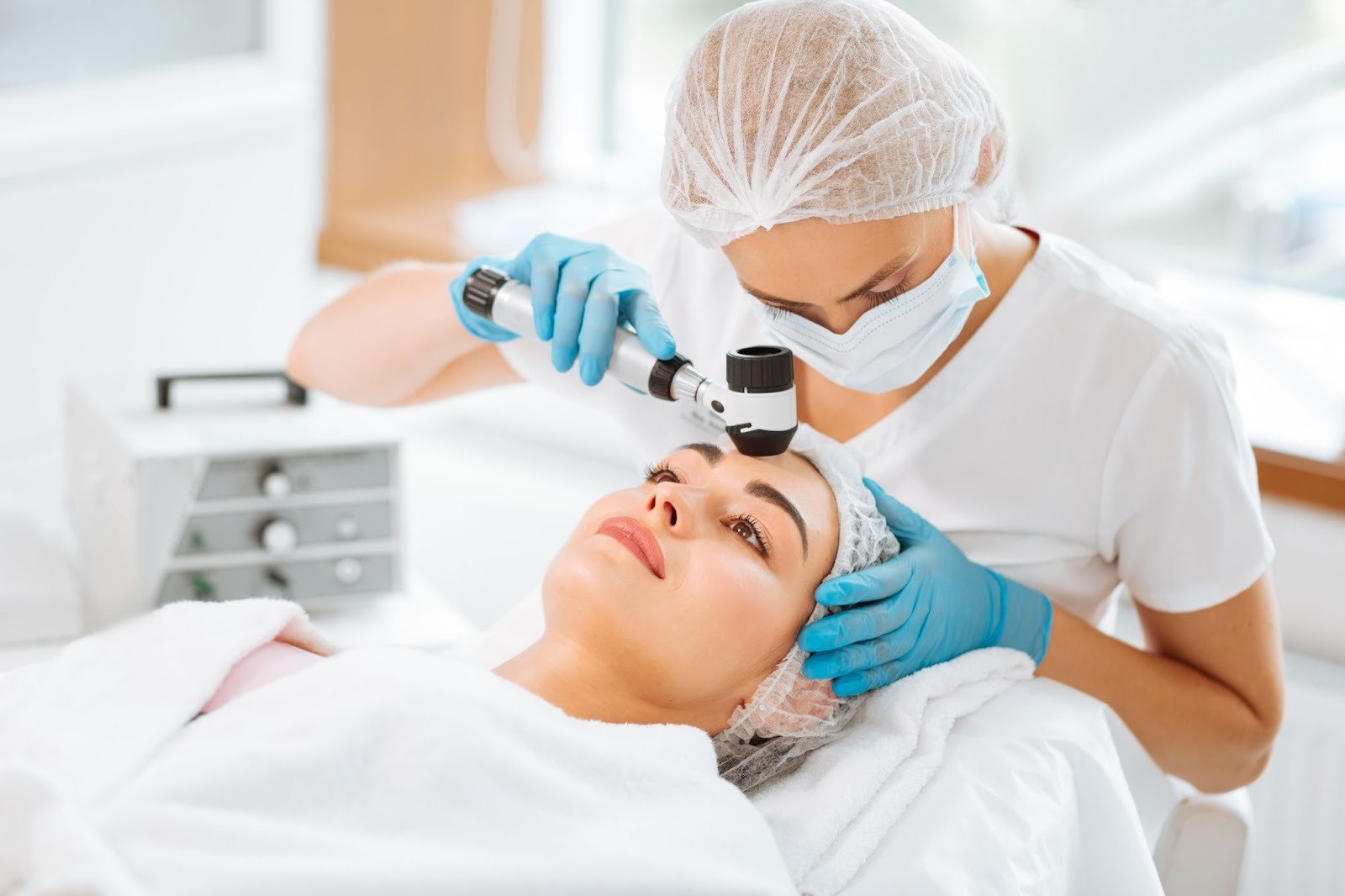
A laser skin treatment delivers concentrated light energy into precise targets within the skin, water, pigment, or hemoglobin, based on the wavelength selected. That targeted energy triggers a controlled healing response, signaling your skin to repair, rebuild, and generate fresh collagen.
The scale of adoption here reflects real clinical confidence. Skin resurfacing procedures alone accounted for over 3.7 million treatments in a single year, according to the American Society of Plastic Surgeons. This isn’t a niche corner of medicine, it’s a mainstream, well-established treatment category backed by decades of evolving clinical protocol.
Main Types of Laser Skin Treatment and When They’re Used
Ablative lasers, CO₂ and Er:YAG being the primary examples, remove the outer skin layer to address deeper wrinkles, scars, and significant sun damage. Non-ablative lasers stimulate collagen production without removing tissue, which makes them gentler with noticeably less downtime. Fractional lasers, available in both ablative and non-ablative forms, treat skin in a “dot pattern” that balances visible results with manageable recovery. Picosecond lasers break up pigment and address acne scarring using less heat, making them particularly effective for brightening goals.
Skin Rejuvenation Laser vs. Other Energy Devices
A skin rejuvenation laser isn’t always the definitive answer, and a good dermatologist won’t pretend otherwise. IPL, radiofrequency microneedling, ultrasound, and LED therapy each bring specific strengths to the table. Your provider might choose one, or thoughtfully layer several, depending on your skin type, primary concern, and realistic tolerance for recovery time.
Understanding how lasers interact with your skin’s biology makes it far easier to appreciate why different tools are selected for different goals. With that foundation in place, let’s explore the broader menu of cosmetic laser options.
Cosmetic Laser Dermatology Options for Face and Body
Think of cosmetic laser dermatology as a precision toolkit, not a single product pulled from a shelf. The right treatment is always shaped by your Fitzpatrick skin type, your lifestyle, your budget, and the honest question of how much recovery time you can realistically build into your schedule.
Laser Skin Resurfacing for Texture, Wrinkles, and Scars
Laser skin resurfacing removes or remodels damaged skin layers to reveal smoother, more even skin underneath. It’s commonly used for fine lines around the eyes and mouth, acne scarring, rough patches, and enlarged pores. Most patients work through two to four sessions spaced four to six weeks apart, depending on depth and device.
Clinical data backs the confidence patients place in this treatment: one study on fractional CO₂ resurfacing for acne scarring found that 55.8% of patients reported being “very satisfied just two weeks after their final session. That’s particularly meaningful given that collagen remodeling continues improving results for months after the last appointment.
Pigment, Redness, and Acne Correction with Cosmetic Lasers
Brown spots, sunspots, and rosacea all respond well to targeted wavelengths, but approach matters enormously. Certain lasers can actually worsen melasma when applied incorrectly, which is why dermatologist oversight here isn’t optional, it’s essential.
For active acne and excess oil, specific light-based devices reduce bacteria and inflammation in ways that topical treatments often can’t match working alone. Combining both approaches tends to produce the fastest and most lasting improvement.
Personalized Skin Rejuvenation Laser Plans by Skin Type and Tone
True advanced dermatology treatments always begin with a thorough skin assessment, photos, medical history, and a direct conversation about your goals and what’s realistic. Your Fitzpatrick skin type directly determines which devices are safe and which settings make sense for you.
Lighter skin tones can generally tolerate more aggressive ablative resurfacing. Medium and deeper tones require conservative wavelength choices and careful calibration to avoid post-inflammatory hyperpigmentation, a risk that experienced providers take seriously. Age also guides the overall plan: patients in their twenties often benefit most from preventative “prejuvenation,” while those in their forties and beyond typically prioritize collagen restoration and tone correction.
Building a Long-Term Plan for Healthier, Younger-Looking Skin
Advanced dermatology and cosmetic laser dermatology work best as ongoing partnerships, not isolated events you book and forget. Whether you’re addressing acne scars, managing pigment irregularities, or maintaining the collagen you’ve worked hard to rebuild, lasting results come from plans that evolve with your skin over time.
Don’t settle for generic protocols handed to anyone who walks through the door. Find a board-certified dermatologist who knows your skin, documents your progress, and adjusts your plan as your needs shift. That ongoing relationship, built on trust, clinical expertise, and honest communication, is the actual foundation of long-term skin health. Everything else is just a tool in support of it.
Common Questions About Advanced Dermatology and Laser Treatments
How many laser sessions are typically needed for acne scars?
Most patients require three to six sessions, spaced four to eight weeks apart, depending on scar depth and the device used. Deeper scarring may call for additional sessions or a combined approach using subcision alongside fractional laser.
Is laser skin resurfacing safe for darker skin tones?
Absolutely, when the correct wavelength and settings are selected. Dermatologists typically favor non-ablative or picosecond lasers with conservative parameters and may incorporate topical brighteners to minimize pigmentation risk throughout treatment.
Can laser treatments be combined with microneedling or chemical peels?
They can, but sequencing is critical. Your dermatologist will typically space treatments several weeks apart to avoid overloading the skin barrier and allow complete healing between each phase.