From Family Nest to Curated Suite: How to Navigate Senior Housing Transitions
For many older adults, the idea of leaving a long held family home can feel deeply emotional. These spaces often carry decades of memories, milestones, and meaning. Yet as life evolves, so do priorities, needs, and definitions of comfort. Transitioning from a family nest to a curated senior living suite is not about loss. It is about adaptation, intention, and creating an environment that supports the next chapter of life with dignity and clarity.
Senior housing transitions can feel complex, especially when emotional attachment intersects with practical considerations. With thoughtful planning and open reflection, this transition can become an empowering experience that aligns lifestyle, independence, and peace of mind.
Understanding the Emotional Weight of Transition
Leaving a longtime home is rarely a purely logistical decision. Emotional ties to spaces, routines, and neighborhood identity often shape a strong sense of self. Acknowledging this emotional weight is an essential first step in navigating change. Transition is rarely immediate acceptance. It is a process that unfolds through recognition, grief, excitement, and hope.
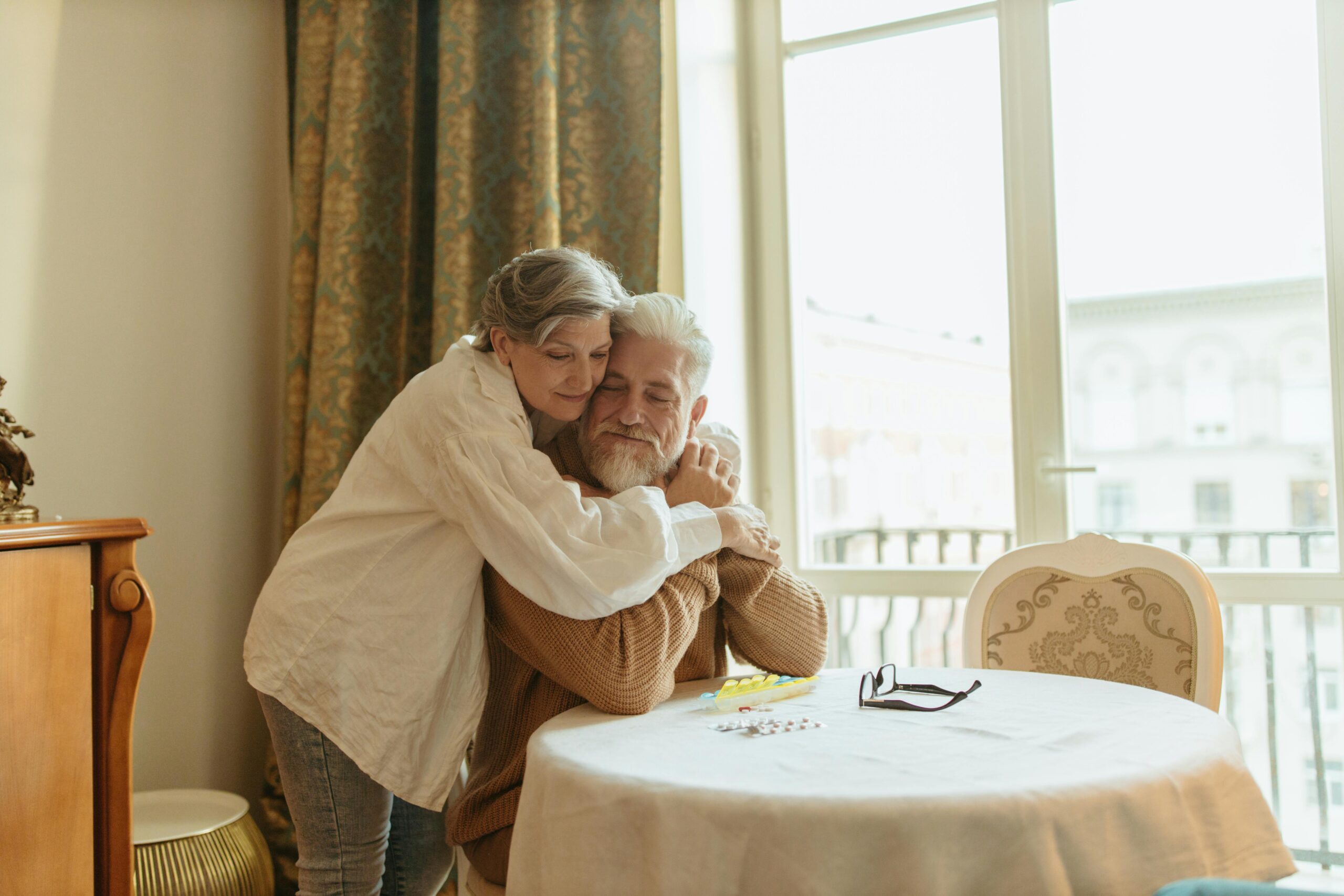
Family conversations play a vital role during this stage. Honest dialogue helps surface concerns while preserving respect and autonomy. Rather than framing the move as a necessity driven by age, many families find success in emphasizing choice and opportunity. The goal is not to erase the past but to honor it while making space for what comes next.
Recognizing emotions without allowing them to stall progress creates room for a more grounded and confident transition.
Redefining Home Through Intentional Design
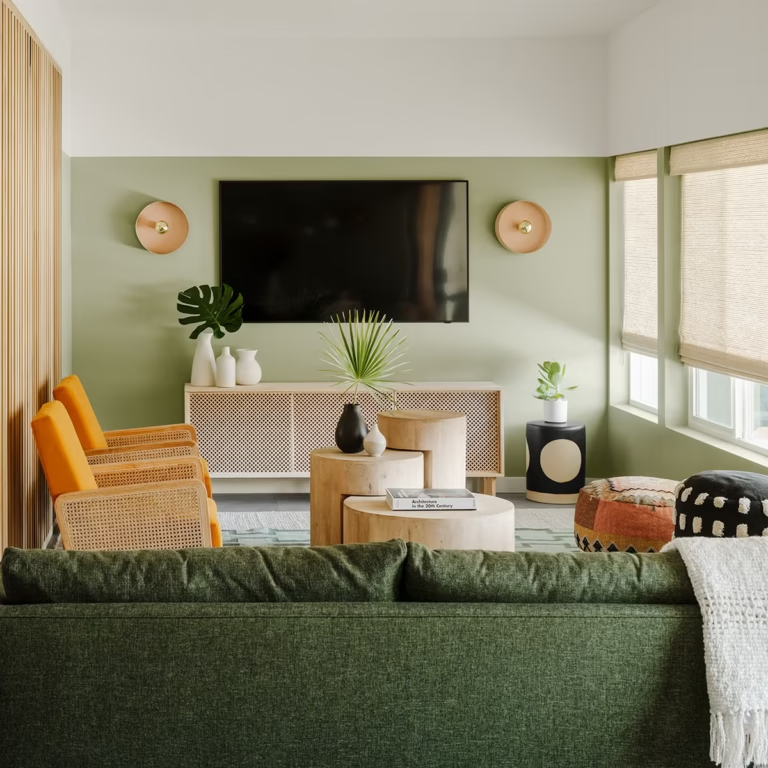
Senior housing today reflects a shift away from uniform spaces toward personalized living. Curated suites are designed to feel like a continuation of home rather than a replacement. Downsizing does not have to mean giving up identity. It means selecting the items, colors, and layouts that best reflect current priorities.
Intentional design allows individuals to surround themselves with meaningful objects while reducing the burden of excess maintenance. Thoughtful curation can enhance calm, ease navigation, and support daily routines. Many people find relief in simplifying their environment without sacrificing comfort or familiarity.
Viewing the new space as a carefully designed environment rather than a reduction helps reframe the move as a step toward ease and clarity. Some families exploring senior housing options reference community layouts such as those at Seaton Hagerstown when discussing how private living spaces can balance personalization with supportive shared environments.
Navigating Logistics With Confidence
Practical planning is a major component of a successful transition. Sorting belongings, preparing a home for sale or transfer, and coordinating moving details can feel overwhelming. Breaking the process into manageable steps helps restore a sense of control.
Working with experienced professionals such as downsizing specialists or estate planners can streamline decision making. Establishing timelines and priorities reduces stress while allowing time for emotional adjustment. Families often benefit from creating a shared checklist that outlines responsibilities clearly without rushing decisions.
Logistics should support the individual, not overshadow them. When organized thoughtfully, the practical aspects of transition reinforce confidence and independence rather than diminish them.
Shifting From Space Management to Lifestyle Engagement
One of the most impactful changes during a senior housing transition is the shift from managing a property to engaging with life. Family homes often require significant upkeep that can quietly consume energy. Moving into a curated suite allows residents to redirect attention toward relationships, interests, and wellbeing.
Time and energy once devoted to maintenance can be invested in learning, creative pursuits, health routines, or social engagement. This shift often brings a renewed sense of balance and fulfillment. The environment becomes a support system rather than a responsibility.
For many individuals, this change enhances daily satisfaction. The home becomes a place to live fully rather than a task to maintain. This is often where the value of intentional transition becomes most apparent.
Maintaining Identity Through Connection and Continuity
Maintaining a strong sense of identity is essential throughout housing transitions. Familiar routines, personal traditions, and valued relationships anchor individuals during periods of change. Successful transitions preserve continuity while allowing growth.
Staying connected with family, friends, and community networks reinforces belonging. Many individuals find comfort in hosting loved ones in their new space, reinforcing that their home remains a place of gathering and shared experience.
Identity evolves, but it does not disappear. Curated senior living offers an opportunity to express selfhood through choice, routine, and engagement. When individuals feel recognized and respected, transitions are more likely to be embraced rather than resisted.
Conclusion
Moving from a family nest to a curated senior living suite is one of the most meaningful transitions of later life. While it carries emotional complexity, it also offers clarity, freedom, and renewed focus on what matters most. With thoughtful planning, intentional design, and open communication, this transition can become an empowering step rather than a difficult one.
Senior housing transitions are not about closing doors. They are about opening space for safety, connection, and purpose. When approached with care and respect, the journey becomes a continuation of life’s story, shaped by choice and enriched by intention.