
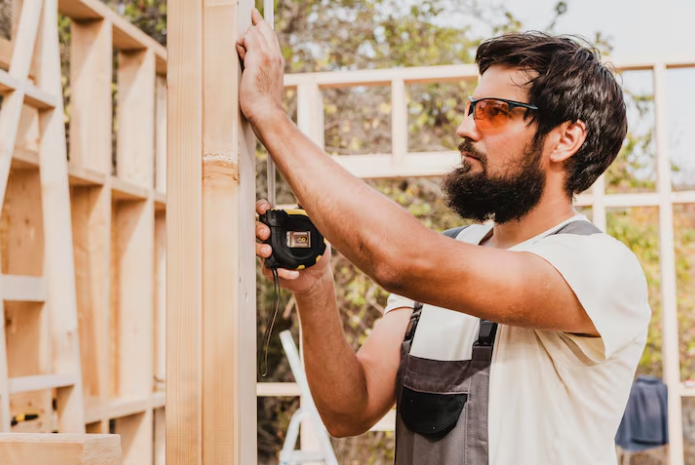
7 mistakes homeowners make when hiring a pergola builder – and how to avoid them
A pergola can completely transform an outdoor space. Done well, it adds shade, structure, and a genuine sense of purpose to a garden or entertaining area. Done badly – or built by the wrong contractor – it becomes a source of ongoing frustration, unexpected costs, and sometimes serious structural problems.
The hiring decision is where most pergola projects go wrong, long before a single post goes in the ground. Whether you’re looking into a pergola Perth builder or researching contractors anywhere in the world, the same mistakes come up time and again – and they’re all avoidable with a bit of preparation.
Here are the seven most common hiring mistakes, and what to do instead.
Mistake 1: Choosing based on price alone
It’s tempting to go with the lowest quote – especially when pergolas can represent a significant investment. But price-only decisions consistently produce the worst outcomes in the building trades. The cheapest quote is almost always cheap for a reason: inferior materials, shortcuts in engineering, reduced labour time, or a contractor who underprices to win work and then cuts corners to maintain margin.
A better approach is to treat your quotes as a range rather than a competition. If one quote is significantly lower than the others, ask specifically what’s different. Is it the material grade? The footing depth? The finish quality? A good contractor will explain their pricing clearly. One who deflects or becomes vague when pressed is telling you something.
Value and price are not the same thing. The contractor who delivers a well-built pergola that lasts 20 years with minimal maintenance is better value than the one who saves you a few hundred upfront and leaves you with problems within three seasons.
Mistake 2: Not checking licences and insurance
This one surprises people because it sounds like basic due diligence – and it is – but it’s skipped more often than you’d think. Hiring an unlicensed builder or one without appropriate public liability insurance exposes you to significant financial and legal risk.
If a worker is injured on your property and the contractor has no insurance, you may be liable. If the structure fails and causes damage, an uninsured contractor has no recourse to offer you. Licence requirements vary by region, but at minimum you should verify that your contractor holds the appropriate trade licence for structural outdoor construction and carries current public liability cover.
Ask for copies of both before signing anything. A legitimate professional will provide them without hesitation.
Mistake 3: Skipping the council permit check
Pergolas are structures, and in most jurisdictions structures above a certain size or height require a building permit before construction begins. The thresholds vary considerably depending on where you live – some areas require permits for any roofed structure, others have more generous exemptions for open-beam pergolas.
The problem isn’t just regulatory. Unpermitted structures can complicate property sales, create insurance issues, and require removal or modification at your cost if discovered during an inspection. Some contractors will cheerfully build without permits to avoid the paperwork – that’s a risk that sits entirely with you, not with them.
Check your local council requirements before engaging anyone, and make sure your chosen contractor handles or supports the permit process as part of the job.
Mistake 4: Not getting everything in writing
Verbal agreements feel fine at the time and fall apart spectacularly when something goes wrong. Every pergola project, regardless of size, should be governed by a written contract that specifies:
- The exact scope of work – dimensions, materials, finish specification
- Start and completion dates
- Payment schedule tied to project milestones, not arbitrary dates
- Who is responsible for permits and inspections
- What happens if materials change or costs increase
- Warranty terms on both workmanship and materials
If a contractor is reluctant to put the scope in writing or pushes back on a formal contract for a ‘small job,’ that reluctance is a red flag worth taking seriously.
Mistake 5: Paying too much upfront
A deposit is reasonable and expected. Paying 50% or more before a single post has gone in the ground is not. Large upfront payments remove much of the contractor’s financial incentive to complete the work promptly and to your satisfaction.
A sensible payment structure ties payments to progress. A deposit on signing, a progress payment when footings and posts are complete, and a final payment on completion and your sign-off is a reasonable arrangement for most pergola projects. This keeps you protected and gives the contractor a clear incentive to move the work forward.
If a contractor insists on a very large upfront payment – particularly for materials that haven’t been ordered yet – approach that conversation carefully. It’s not always a bad sign, but it warrants a clear explanation.
Mistake 6: Failing to check references and past work
Most homeowners look at photos on a contractor’s website or social media and treat that as sufficient research. It isn’t. Photos show the best possible version of a contractor’s work, taken at the best possible time. What they don’t show is how the contractor communicates during the project, whether they meet deadlines, how they handle problems, and what the finished job looks like two years later.
Ask for two or three recent references and actually contact them. Ask specifically about communication, whether the project finished on time and on budget, and whether there were any issues and how they were handled. A contractor confident in their reputation will welcome this step.
If possible, visit a completed project in person. Seeing the quality of joinery, the finish on posts and beams, and how the structure sits on its footings tells you far more than any photograph.
Mistake 7: Not thinking about the design before getting quotes
Walking into a contractor conversation without a clear idea of what you want results in one of two problems: you end up with a generic design that doesn’t really suit your space, or you make design decisions under pressure during the quoting process and regret them later.
Before approaching any contractor, spend time thinking about how you want to use the pergola – entertaining, shade, a defined outdoor room – and what style suits your home. Consider the orientation relative to the sun, the privacy requirements, and whether you want a fixed roof, open beams, or a retractable cover. Having clear answers to these questions doesn’t just help the contractor quote accurately; it gives you a basis for comparing quotes like-for-like.
A good contractor will work with your brief and refine it. One who dismisses your ideas and substitutes their own preferred approach without explanation may not be the right fit for the project.
Getting the hiring decision right
The hiring process is genuinely where most pergola projects succeed or fail. A well-chosen contractor will communicate clearly, deliver on their commitments, and build something that holds up properly over time. The effort you put into evaluating your options before signing anything is directly reflected in the quality of the outcome.
Take your time, ask the right questions, get everything in writing, and don’t let price be the only factor in your decision. A pergola is a long-term addition to your home – it’s worth getting right the first time.