Car Won’t Start? 8 Common Starter Motor Symptoms You Can’t Ignore
Your car won’t start one morning. You turn the key or push the button and nothing good happens. This issue happens to many drivers. Often the starter motor is the reason. The starter motor is a key part that turns your engine so it can run on its own.
If you notice any warning signs, do not wait. These problems can get worse fast. You could end up stuck somewhere or pay more for a full fix later. This article covers 8 common starter motor symptoms in simple words. We explain each one clearly so you know what to look for and why it matters. Read on to stay ahead of car trouble.
What Does the Starter Motor Do?
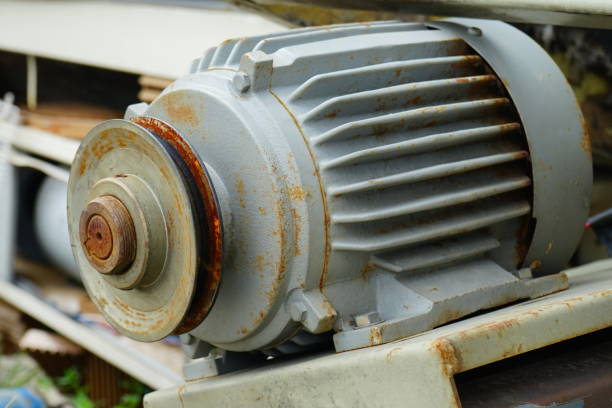
The starter motor is a small electric motor that sits near your engine. When you start the car, it gets power from the battery. It spins a gear that connects to the engine and makes the engine turn over. Once the engine fires up, the starter stops working.
This part works every single time you drive. Heat, age, and heavy use can wear it down. When it starts to fail, you hear or feel clear signs. Knowing these helps you act early instead of facing a dead car.
Symptom 1: Clicking Sound But the Engine Does Not Crank
You turn the key and hear a single click or a series of quick clicks under the hood. The engine does not turn at all. This is one of the most common starter motor symptoms.
The click comes from the solenoid, which is like a switch inside the starter. It tries to send power, but the motor cannot spin the engine. Common causes include a weak battery, loose cables, or worn parts in the starter.
Do not ignore it. The next time you try, you might hear nothing. Your car stays stuck. First, check your battery and cables. If they test fine, take the car to a shop for a starter check. Fixing it early saves time and money.
Symptom 2: No Sound or Response at All
You turn the key and get complete silence. No clicks, no cranks, nothing. The dash lights may come on, but the engine does nothing. This points straight to starter motor trouble in many cases.
The starter may not get any power because of bad connections, a failed solenoid, or a broken motor inside. Dirt or heat can cause this too.
This symptom is serious because your car will not move until fixed. Test the battery first because a dead battery gives the same result. If the battery is strong, the starter is likely the issue. Get it looked at right away to avoid bigger problems.
Symptom 3: The Engine Cranks Very Slowly
The engine turns over but it does so slowly and sounds weak. It takes much longer than normal to start. This slow cranking is a clear starter motor symptom that many people notice on cold days.
The motor inside the starter lacks power to spin fast. Worn brushes, bad wiring, or low voltage can cause it. The starter works harder than it should.
Ignore this and the car may stop starting completely. It also drains your battery faster. Start by cleaning battery terminals and checking voltage. If that does not help, the starter needs repair soon.
Symptom 4: Grinding Noise When Trying to Start
You hear a grinding or metal-on-metal sound when you turn the key. The engine may crank but the noise is loud and rough. This happens when the starter gear does not line up correctly with the engine flywheel.
Worn teeth on the gear or a bad starter drive cause this. Heat from the engine can make it worse.
This noise means real damage is happening. If you keep trying, you can break more parts. Stop using the car and get a mechanic to check. Replacing the starter early costs less than fixing extra engine damage.
Symptom 5: Whirring or High-Pitched Sound Without Cranking
The starter spins and makes a whirring or whining noise, but the engine does not turn over. It sounds like the motor is running free without grabbing the engine.
This freewheeling happens when the drive gear fails to connect properly. The starter spins but does no work. Bad bearings or a broken drive assembly are common reasons.
You cannot ignore this because the starter wastes power and may fail soon. Your car stays dead. A shop can test the starter and fix the gear issue before it stops working completely.
Symptom 6: Burning Smell or Smoke Near the Starter
You notice a burning smell or even see light smoke when you try to start the car. The area under the hood near the starter feels hot.
This comes from the starter motor overheating or shorting out inside. Too much use, bad wiring, or missing heat shields cause it. The motor draws too much power and burns.
This is dangerous. It can lead to fire risk or total failure. Turn off the car and do not try again. Let a mechanic inspect right away. Fixing wiring or replacing the starter prevents bigger safety issues.
Symptom 7: The Car Starts Only Sometimes
Some days the car starts fine. Other days it takes many tries or fails completely. This on-and-off behavior is a classic starter motor symptom.
Loose parts, heat buildup, or worn contacts inside the starter cause the problem. It works when cool but fails when hot.
Do not brush this off as bad luck. The issue will get worse until the car will not start at all. Track when it happens and get it tested. Early repair keeps you on the road every day.
Symptom 8: The Starter Keeps Running After the Engine Starts
The engine starts but you still hear the starter spinning or clicking after. It does not turn off right away.
A stuck solenoid or bad switch keeps power going to the starter. The motor keeps trying to turn even though the engine is running.
This can damage the starter fast because it is not built for long runs. Stop the car safely and get help. A quick fix on the solenoid saves you from buying a new starter.
What to Do When You Notice These Symptoms
First, stay safe. Do not keep forcing the car to start. Check simple things like battery charge and cable connections yourself. Many starter motor symptoms look like battery problems at first.
If the battery tests good, call a mechanic. They use tools to test the starter directly. Replacing or repairing it early costs less and avoids towing fees. Regular checks on your car battery and starter help prevent these issues.
Starter Motor or Alternator? Here’s How to Tell
People often mix up starter problems with alternator issues. The starter turns the engine on. The alternator charges the battery while you drive.
If your car starts but then dies on the road or the lights dim while driving, it may be the alternator. But if you cannot get the engine to crank at all, the starter is usually the problem.
To learn the full differences and tests, view more.
Final Thoughts
Car won’t start, problems are frustrating, but most have clear fixes. These 8 common starter motor symptoms give you the heads-up you need. Pay attention to clicks, noises, slow cranks, or smells. Act fast and you avoid getting stranded or paying extra later.
Keep your battery clean and get regular service. If any sign shows up, visit a trusted shop soon. For quality parts and more car help, check out https://unitechmotor.com/. Drive safe and keep your car running smooth.