
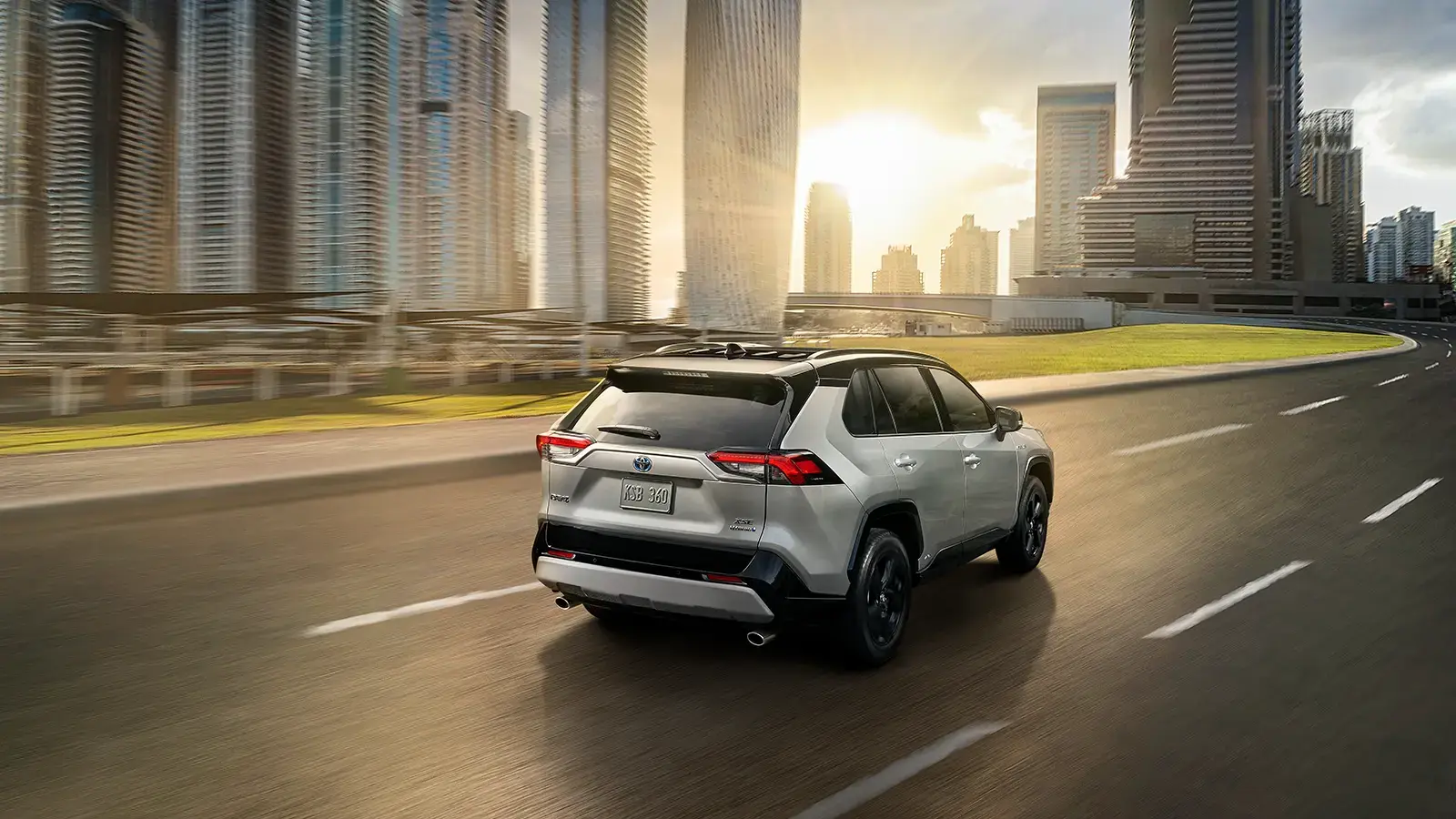
Hybrid Vehicles Explained: Pros, Cons, and Performance
Hybrid vehicles combine a traditional internal combustion engine with an electric motor to improve fuel efficiency and reduce emissions. As fuel prices rise and environmental awareness grows, hybrids have become an attractive option for drivers seeking balance between performance, economy, and sustainability. Understanding how hybrid vehicles work—and their advantages and limitations—can help you decide if they’re right for you.
What Is a Hybrid Vehicle?
A hybrid vehicle uses two power sources: a fuel-powered engine and an electric motor with a battery. The system automatically switches between or combines these power sources depending on driving conditions, such as speed, acceleration, and traffic.
How Hybrid Vehicles Work
At low speeds or during light acceleration, the electric motor often powers the vehicle, reducing fuel use. At higher speeds or when more power is needed, the engine takes over or works together with the motor. Regenerative braking captures energy during braking and stores it in the battery for later use.
Pros of Hybrid Vehicles
1. Better Fuel Efficiency
Hybrids consume less fuel than conventional petrol or diesel cars, especially in city traffic where electric mode is used more frequently.
2. Lower Emissions
By relying partially on electric power, hybrid vehicles produce fewer emissions, making them more environmentally friendly than traditional cars.
3. Smooth and Quiet Driving
Electric motors provide smooth acceleration and quieter operation, especially at low speeds, improving driving comfort.
4. Reduced Fuel Costs
Improved mileage leads to lower fuel expenses over time, which can offset the higher initial purchase price.
5. No Charging Anxiety
Unlike fully electric vehicles, hybrids do not require external charging. The battery charges automatically while driving.
Cons of Hybrid Vehicles
1. Higher Purchase Price
Hybrid vehicles usually cost more upfront compared to standard petrol cars due to advanced technology and battery systems.
2. Maintenance and Repair Costs
Although generally reliable, repairs involving hybrid systems or batteries can be more expensive than conventional vehicles.
3. Limited Electric-Only Range
Most hybrids can drive only short distances on electric power alone, unlike fully electric vehicles.
4. Less Cargo Space
The battery pack may reduce trunk or cargo space in some hybrid models.
Performance of Hybrid Vehicles
Hybrid vehicles are designed for efficiency rather than high-speed performance, but modern hybrids offer impressive acceleration and smooth power delivery. The electric motor provides instant torque, which improves responsiveness in city driving. While they may not match sports cars in speed, hybrids perform well for everyday commuting and long-distance travel.
Who Should Consider a Hybrid Vehicle?
- Daily city commuters
- Drivers looking to reduce fuel expenses
- Environment-conscious car owners
- Those not ready for full electric vehicles
Conclusion
Hybrid vehicles offer a practical middle ground between traditional fuel cars and fully electric vehicles. With better fuel efficiency, lower emissions, and reliable performance, they are a smart choice for many drivers. However, higher upfront costs and limited electric range should be considered before making a decision. Choosing a hybrid ultimately depends on driving habits, budget, and long-term goals.