
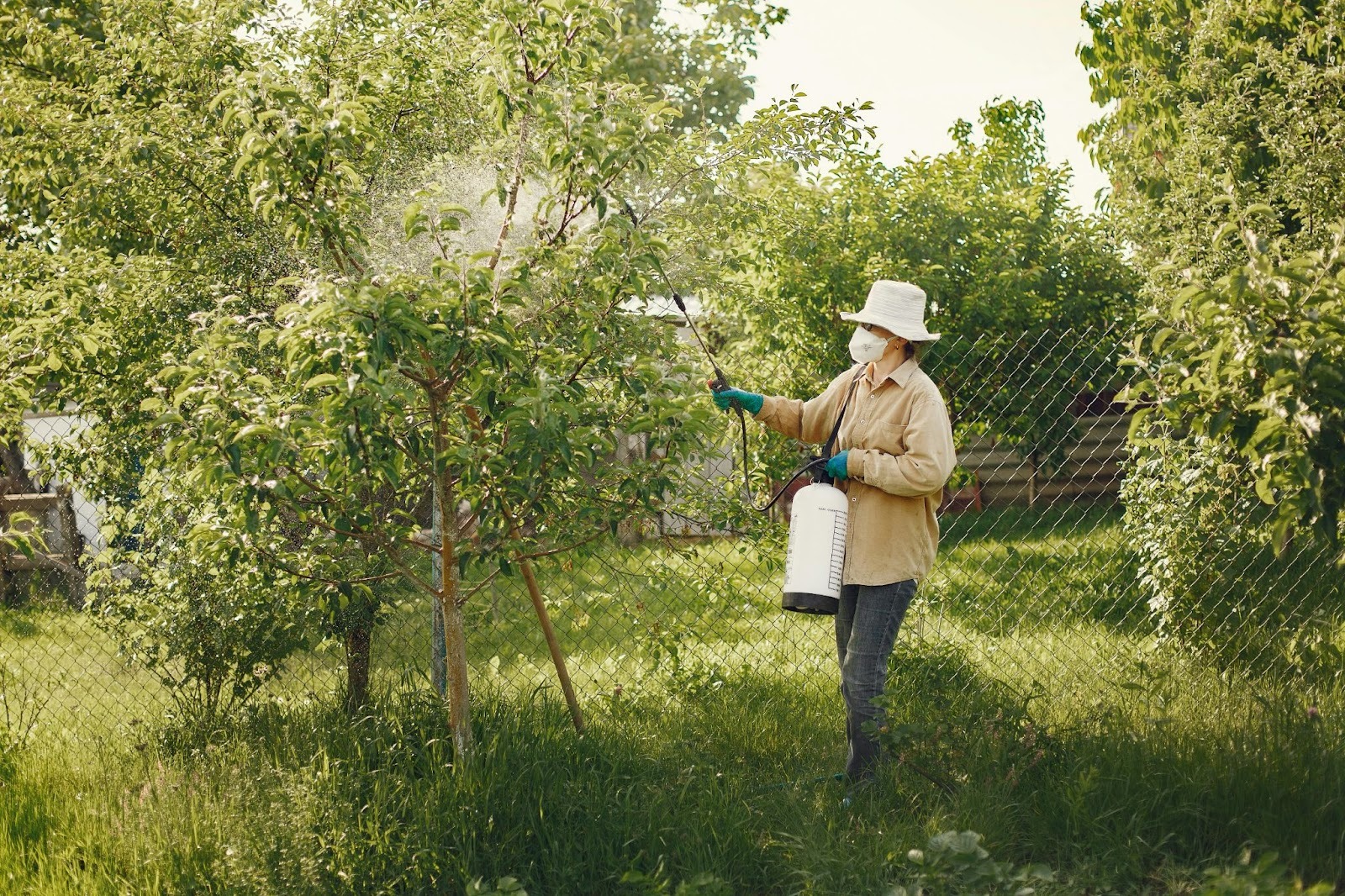
Integrating Eco-Friendly Pest Control Into Your Home Maintenance Routine
Keeping your home free of pests doesn’t have to mean using harsh chemicals that can harm your family, pets, or the environment. Eco-friendly pest control offers a safer, smarter way to protect your space while staying green. By integrating these natural methods into your regular home maintenance routine, you can prevent infestations before they start and reduce the need for toxic sprays. In this blog, we’ll explore practical tips and strategies for making eco-friendly pest control a seamless part of your home care, helping you maintain a clean, safe, and healthy environment all year long.
The Strategic Advantage of Eco-Friendly Pest Control in Modern Home Maintenance
Listen, switching to sustainable pest practices isn’t some feel-good trend. This is about making genuinely smarter decisions—for your budget, for your health, for the people living under your roof. The benefits you’ll see are concrete, measurable, and frankly impossible to achieve with old-school chemical bombardment.
Cost-Benefit Analysis: Long-Term Savings With Green Pest Management
Green pest management actually saves you money down the line, even when upfront expenses look steeper. Traditional pesticides? They require constant reapplication because they obliterate everything—including the beneficial insects that would naturally keep pest populations in check for free. You’re basically paying to stay dependent.
Smart homeowners often work with services offering environmentally safe pest control to establish their baseline protection, then shift toward DIY maintenance. That combination slashes long-term costs by 60-70%. Don’t forget hidden expenses. Toxic residues damaging your property. Health complications requiring medical care. Ecosystem disruption that paradoxically attracts more pests. None of that shows up on your service invoice.
Property Value Protection Through Environmentally Safe Pest Solutions
Pest-related damage can create marketable property value by nearly 48.97% in agricultural settings , and residential real estate follows disturbingly similar patterns. Buyers today routinely request pest management documentation during inspections—they’re not playing around.
Properties maintained using sustainable home pest control methods command premium pricing. Eco-conscious buyers represent a rapidly expanding demographic, and they actively hunt for homes free from chemical residues. When can you provide documentation showing preventive measures, inspection logs, and natural treatment records? Your negotiating position strengthens considerably.
Health Equity: Protecting Vulnerable Family Members
Your kids crawl across floors where pesticides settle into carpet fibers. Elderly relatives with compromised immune systems breathe contaminated air from chemical sprays. Pets groom themselves constantly, ingesting whatever residues coat their fur.
Natural pest control methods eliminate these hazards completely. Essential oils, physical barriers, biological controls—none leave toxic residues accumulating in your home. Indoor air quality improves dramatically. Allergy symptoms decrease. Respiratory issues diminish. Everyone sleeps better knowing their environment isn’t slowly poisoning them. The health savings alone justify this transition. One avoided emergency room visit for pesticide exposure costs more than five years of eco-friendly maintenance combined.
Building Your Foundation: Essential Prevention Infrastructure
Understanding why green methods outperform chemicals is valuable—but you need practical infrastructure preventing pests from ever establishing themselves. Prevention absolutely crushes treatment every time.
Conducting Your Eco-Audit: Identifying Vulnerabilities
Walk through your home like you’re seeing it for the first time. Examine every window frame, door threshold, pipe penetration. Pests need surprisingly little space—a dime-width gap welcomes mice; cracks barely visible to you invite dozens of insect species. Create a basic map marking vulnerable spots. Basements typically reveal moisture issues attracting silverfish and centipedes. Kitchens expose food storage weaknesses. Bathrooms often suffer from ventilation problems creating the humidity pests absolutely love.
Digital tracking apps work great, but honestly even a notebook gets the job done. Record your findings, prioritize fixes by severity, then schedule repairs systematically.
Physical Barriers and Exclusion Techniques
Copper mesh stops rodents permanently—they simply cannot chew through it. Push it into gaps around pipes, vents, utility entries. Stainless steel wool functions similarly but degrades faster when exposed to moisture. Weather stripping serves double duty beyond energy efficiency. Quality door sweeps eliminate that half-inch gap under exterior doors where countless pests march through like they own the place. Check window screens twice yearly; even small tears become pest superhighways.
Sustainable caulking made from plant-based materials seals cracks without off-gassing volatile organic compounds. Costs slightly more but lasts longer and doesn’t compromise your indoor air quality.
Landscape Architecture for Natural Pest Deterrence
Your yard either invites pests toward your home or repels them—there’s no neutral ground here. Strategic plant placement makes an enormous difference. Lavender, rosemary, mint naturally deter many insects while simultaneously attracting beneficial pollinators.
Drainage matters far more than most homeowners realize. Standing water breeds mosquitoes within days. Grading soil away from foundations prevents moisture accumulation that attracts termites, carpenter ants, and countless other destructive species. Even hardscaping choices count. Gravel borders create dry zones pests instinctively avoid. Mulch beds placed directly against foundations become pest hotels—maintain at least a six-inch gap.
Seasonal Integration: Year-Round Sustainable Strategies
Pest pressures shift dramatically throughout the year. Your maintenance routine should adapt accordingly, preventing problems before they materialize rather than reacting after infestations develop.
Spring Preparation: Emerging Pest Prevention Protocol
Inspect foundations as snow melts. Winter frequently creates new cracks from freeze-thaw cycles. Seal them before warming temperatures activate overwintering pests. Garden preparation directly impacts home protection. Till soil away from structures, refresh barrier treatments with diatomaceous earth, establish beneficial insect habitats. Ladybugs, lacewings, predatory wasps—they need early-season food sources to stick around.
Clean gutters before spring rains hit. Clogged gutters create moisture problems and perfect mosquito breeding grounds.
Fall Fortification: Sealing and Exclusion Focus
Cooler temperatures drive pests indoors aggressively. Rodents seek winter shelter; insects look for warm crevices. Your fall inspection should be considerably more thorough than spring’s quick check. Examine attic vents, chimney gaps, roof intersections carefully. Apply weatherproofing that doubles as pest exclusion. Inspect pantries for moth larvae and beetles that hitchhiked home on grocery bags throughout summer.
Clean and organize storage areas ruthlessly. Clutter provides hiding spots and nesting materials. Farmers growing okra typically apply 10-12 pesticide sprays per season managing pests , but you can avoid this chemical dependency by preparing properly before pest season peaks.
Common Questions About Green Pest Control
How long does transitioning from chemicals to natural methods take?
Most homes complete the transition within 3-6 months. You’ll establish physical barriers first, then introduce natural deterrents while chemical residues dissipate. Patience during this period prevents discouragement when pest activity temporarily increases as ecosystems rebalance.
Can natural approaches handle severe infestations effectively?
Severe infestations require escalated natural methods—botanical pesticides like pyrethrin or neem oil provide stronger intervention while maintaining eco-principles. Professional eco-services combine multiple approaches for stubborn problems without resorting to synthetic chemicals.
Are essential oils safe around all pets?
Not entirely, unfortunately. Cats lack enzymes to metabolize certain oils, particularly tea tree, eucalyptus, and pennyroyal. Dogs tolerate most oils better but watch for skin sensitivity. Research pet-safe options or use physical barriers in homes with sensitive animals.
Your Path to Sustainable, Pest-Free Living
Integrating eco-friendly pest control into regular maintenance protects your family’s health, preserves property value, and saves money over time. Start small—seal obvious entry points this weekend, then build habits gradually. The compounding benefits become obvious within months as pest sightings decrease, indoor air quality improves, and you sleep better knowing your home isn’t contaminated with toxic residues. Begin your seasonal eco-audit today, document your findings, and commit to one preventive measure weekly. Sustainable pest management isn’t a destination; it’s an ongoing practice that rewards consistency with long-term peace of mind.
Incorporating eco-friendly pest control methods into your home maintenance routine not only benefits the environment but also ensures a safer living space for your family. For those residing in urban areas, such as Cleveland, it’s crucial to adopt sustainable practices that align with local ecosystems. By choosing services like pest control Cleveland, homeowners can effectively manage pest issues while minimizing their ecological footprint. These services often employ natural deterrents and innovative techniques that target pests without harming beneficial insects or plants. This approach not only preserves the delicate balance of your garden but also supports the broader community’s efforts in maintaining a healthy, sustainable environment.