Schedule 40 vs Schedule 80: Wall thickness, pressure resistance, cost, and applicable scenarios
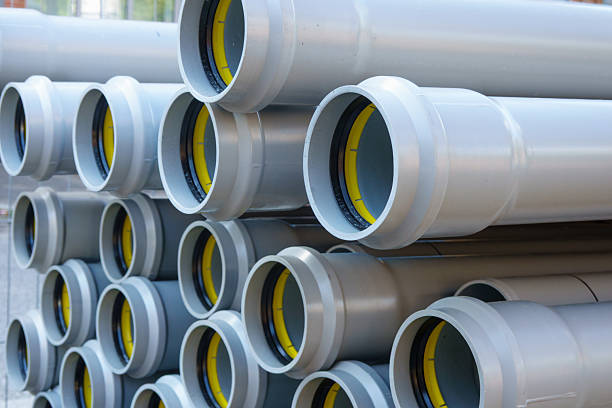
When people talk about steel pipes or PVC pipes for plumbing, industrial lines, or structural work, two names come up a lot: Schedule 40 and Schedule 80. Both are very common pipe sizes, but they are not the same. The main differences come down to wall thickness, how much pressure they can handle, how much they cost, and where you should use each one.
In this article, we will compare Schedule 40 and Schedule 80 side by side. We will look at the facts so you can decide which one fits your project best. Whether you are a contractor, a DIY person, or buying pipes for a factory, knowing these differences saves time and money.
What does “Schedule” mean in pipes?
The word “Schedule” is a way to show the wall thickness of a pipe. It started many years ago as a standard way to label pipes so everyone uses the same sizes. A higher schedule number means a thicker wall for the same outside diameter.
For example, both Schedule 40 and Schedule 80 pipes with a 2-inch nominal size have the same outside diameter (2.375 inches). But the inside diameter is different because the wall is thicker in Schedule 80. Thicker walls mean the pipe is stronger but also heavier and more expensive.
Wall thickness comparison
This is the biggest and easiest difference to see.
- Schedule 40 pipes have thinner walls.
- Schedule 80 pipes have thicker walls.
Here are some real examples for common sizes (all measurements in inches):
1/2 inch nominal:
- Schedule 40 wall thickness: 0.109
- Schedule 80 wall thickness: 0.147
1 inch nominal:
- Schedule 40: 0.133
- Schedule 80: 0.179
2 inch nominal:
- Schedule 40: 0.154
- Schedule 80: 0.218
4 inch nominal:
- Schedule 40: 0.237
- Schedule 80: 0.337
You can see that Schedule 80 is usually 30% to 50% thicker depending on the size. Thicker walls make the pipe stronger against pressure and bending, but they also make the inside opening smaller. That means less flow for fluids or gases compared to the same outside size Schedule 40 pipe.
Pressure resistance: How much can each handle?
Pressure rating depends on the material (steel, stainless, PVC, etc.), temperature, and the pipe size. But in general, Schedule 80 can take much higher pressure than Schedule 40.
For carbon steel pipes (like ASTM A53 Grade B) at room temperature:
- Schedule 40, 2-inch pipe: around 2,300–2,500 psi burst pressure (working pressure is usually 20–30% of that).
- Schedule 80, 2-inch pipe: around 3,200–3,500 psi burst pressure.
The working pressure difference is clear. Schedule 80 often handles 40–60% more pressure than Schedule 40 for the same size and material.
For PVC pipes, the gap is similar. A 2-inch Schedule 40 PVC pipe might be rated for 280 psi at 73°F, while Schedule 80 jumps to about 400 psi.
Temperature also matters a lot. As temperature goes up, pressure rating drops for both. But Schedule 80 still stays ahead because of the extra wall material.
If your system runs high-pressure steam, compressed air over 150 psi, hydraulic lines, or chemical lines under high pressure, Schedule 80 is usually the safer and required choice. For normal water lines, low-pressure gas, or drainage, Schedule 40 works fine and meets code in most cases.
Cost difference
Schedule 80 costs more than Schedule 40. Here is why:
- More raw material (thicker steel or plastic)
- Slightly higher production costs
- Heavier weight means higher shipping costs
On average, Schedule 80 pipes cost 30% to 70% more than Schedule 40 pipes of the same nominal size and length. For small projects, the extra cost might not seem big. But on large jobs with hundreds or thousands of feet, it adds up fast.
For example:
- A 20-foot stick of 2-inch Schedule 40 black steel pipe might cost $40–$60.
- The same size in Schedule 80 could cost $65–$100 or more.
PVC follows the same pattern. Schedule 80 PVC fittings are also more expensive and sometimes harder to find in stock.
You pay extra for the added strength. If your project does not need that strength, Schedule 40 saves money without any safety risk.
Applicable scenarios: Where to use each one
Schedule 40 is the most common choice for everyday jobs. You see it everywhere because it balances cost, weight, flow, and strength well.
Common uses for Schedule 40:
- Residential and commercial plumbing (cold water, hot water, drainage)
- Low-pressure gas lines (natural gas or propane inside buildings)
- Irrigation systems and sprinkler lines
- General compressed air lines under 150 psi
- Fire sprinkler systems (many codes allow Schedule 40 for certain buildings)
- DIY projects, handrails, furniture frames
Schedule 80 is used when you need extra safety margin or higher pressure.
Common uses for Schedule 80:
- High-pressure steam lines
- Hydraulic and pneumatic systems over 200 psi
- Chemical process lines with aggressive fluids
- Oil and gas field service lines
- Industrial compressed air over 200 psi
- High-rise buildings where codes demand thicker walls for fire protection
- Outdoor exposed lines that need better impact resistance
Quick rule of thumb:
- If the system pressure is low to medium and codes allow it → go with Schedule 40.
- If pressure is high, the fluid is dangerous, or you want longer life in tough conditions → choose Schedule 80.
Other things to consider
Weight: Schedule 80 is heavier, so installation takes more effort and stronger supports.
Flow rate: The smaller inside diameter of Schedule 80 means slightly less flow. In big water systems, this can matter and you might need a larger nominal size to get the same flow.
Availability: Schedule 40 is stocked almost everywhere. Schedule 80 is common too, but some sizes or materials might take longer to get.
Fittings: You need to match fittings to the schedule. You cannot mix Schedule 40 pipe with Schedule 80 fittings without adapters or special parts.
If you want to learn more about the basics of one of these, check out this guide on what is schedule 40 pipe. For quality pipes and fittings, reliable suppliers like https://uniasen.com/ carry both schedules in steel and other materials.
Final thoughts
Schedule 40 and Schedule 80 are both solid choices, but they serve different needs. Schedule 40 gives you good strength at a lower cost and lighter weight for most normal jobs. Schedule 80 gives you thicker walls, higher pressure ratings, and better durability when the application is tougher.
Always check your local building codes, pressure requirements, and engineer recommendations before you buy. Using the wrong schedule can cause leaks, bursts, or failed inspections.
Pick the one that matches your actual needs. In most cases, Schedule 40 does the job perfectly and keeps your budget in check. When safety or high pressure is on the line, Schedule 80 is worth the extra cost.