
eSIM vs Physical SIM: Which Is Better for Travel?
Picture this: you’ve just endured an eight-hour flight, you’re jet-lagged, and now you’re wandering through a foreign airport trying to find a SIM card kiosk that’s actually open.
Sound familiar? Traditional roaming won’t help either, those $10-15 daily charges add up fast. The good news? You’ve got options now that didn’t exist a few years ago, and understanding them could transform how you handle connectivity on your next adventure.
Understanding Your Connectivity Options
Here’s what you need to know before your next international trip. These two technologies differ in ways that’ll directly impact your wallet and your sanity. Physical SIMs have been around forever. Airports, corner shops, and carrier stores all stock them. Simple enough, right?
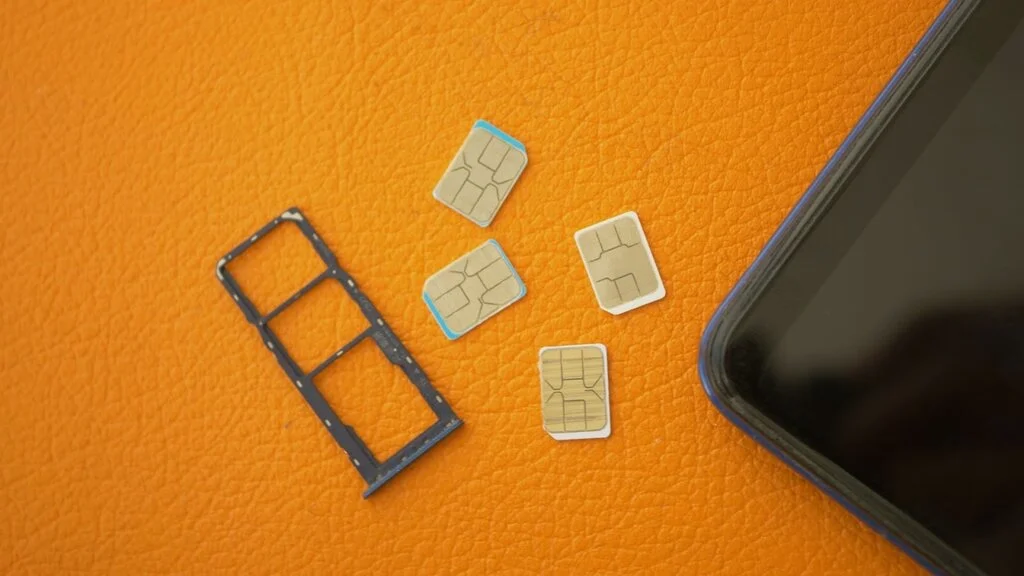
Except there’s a catch. That tiny plastic chip is incredibly easy to lose. Fumble it during a swap, and suddenly you’re out both connectivity and whatever data balance remains. Your $20 purchase just became a frustrating mess.
What Makes Digital SIMs Different
The adoption numbers speak volumes. Over 60% of global mobile operators now support eSIMs according to GSMA Intelligence. You’re looking at coverage in 200+ countries without stepping foot in a carrier shop.
eSIM for international travel flips the script entirely. No physical card exists, everything runs digitally via QR code or app. Your phone’s embedded chip holds multiple carrier profiles simultaneously, letting you switch between networks without touching any hardware. Think of it as having several SIM cards built into your device from the factory.
When Physical Cards Still Make Sense
Don’t dismiss traditional SIMs completely, though. They work with absolutely any phone, including older models that can’t handle digital alternatives. In certain developing markets, local physical options run just $2-5 for enormous data packages. Beat that with a digital plan.
An eSIM allows travelers to activate a mobile plan instantly without swapping cards, reducing the risk of losing or damaging a SIM while on the move. This is especially useful when crossing borders frequently, as plans can be managed and switched directly from the device settings.
With a prepaid esim, travelers gain better control over data usage and costs while avoiding long-term contracts or local store visits. Physical SIM cards still work well in areas with limited eSIM support, but they require manual handling and device compatibility checks. Overall, for modern travelers seeking seamless connectivity and minimal hassle, eSIMs offer a more travel-friendly experience.
Extended stays in one location? That local unlimited physical SIM often destroys international digital pricing. And there’s real value in simplicity, walk in, point, pay cash, done. No compatibility research necessary.
Comparing Costs That Actually Matter
Let’s talk about real money across actual trip scenarios.
Short European Trips
Week-long European adventure with moderate data? US carrier roaming hits you for $105-140. Local physical SIMs cost roughly $15-25 after you navigate the purchase dance. A prepaid esim runs $12-18 for identical coverage, and you activate it before takeoff.
Cost differences aren’t dramatic for brief trips. But convenience? Massive gap. Immediate connectivity upon landing versus airport kiosk queuing after a brutal flight, which sounds better to you?
Multi-Country Adventures
Physical SIMs chain you to one country’s network. Cross from France into Switzerland, and you’re either buying another card or eating roaming fees. Regional digital plans blanket 30+ European nations under one price, auto-switching networks as you travel.
Two weeks across multiple countries with physical cards means multiple purchases and activation headaches. Digital plans? Install once at home, then forget about it entirely.
Extended Stays Beyond 30 Days
Long-term stays flip the economics. Local unlimited physical SIMs in Thailand or Indonesia deliver 2GB daily for 28 days at $5-8 total. Digital monthly plans? $40-60 for similar usage.
Smart digital nomads run hybrid setups, digital plans for border crossings and arrivals, then local physical SIMs for extended city stays.
What Your Phone Needs to Know
Your device compatibility determines everything. Not all smartphones handle digital connectivity, which immediately limits your choices.
Checking Your Device Compatibility
Industry reports show over 600 million eSIM-enabled smartphones globally as of 2024. Still leaves billions of older devices needing physical cards. iPhone XS and newer? You’re set. Samsung Galaxy S20 forward? Good to go. Google Pixel 3 onward works perfectly.
Android gets messy because manufacturers implement this tech inconsistently. Some Motorola, Oppo, and Huawei models support it; others don’t. Verify your exact model number, not just the series.
The Carrier Lock Problem
Here’s where travelers hit walls: carrier-locked phones typically reject any SIM beyond their home network offerings. Before considering the best SIM card for travel, ask your carrier about unlock requirements. Most US carriers unlock fully-paid devices after 40+ days of service.
International phone variants sometimes differ from US versions in capabilities. An iPhone purchased stateside might handle dual digital profiles, while the Chinese version requires one physical slot minimum. Regional specs matter significantly.
Smart Choices for Different Trip Types
Your travel style should drive your connectivity decision. No universal winner exists, just the right match for your specific journey.
Weekend City Breaks
Two-to-four-day city escapes need minimal planning. Hotel and café WiFi covers most requirements. When you need data for navigation or rideshares, small digital packages (1-3GB) cost $5-8 and activate instantly. eSIM vs roaming charges becomes obvious when daily roaming fees exceed your total digital plan cost.
Physical SIMs make zero sense for such brief visits. By the time you locate a shop and finish registration, you’re halfway home already.
Multi-Week Regional Travel
Hopping between Spain, Italy, and Greece across three weeks? Regional digital plans eliminate SIM-swapping chaos completely. Install once at home, then forget about it across every border. Physical cards would mean three purchases, three registrations, three separate phone numbers to track.
eSIM for travelers on extended regional journeys saves money and mental bandwidth. You won’t burn vacation hours searching for SIM shops in every new city.
Digital Nomad Extended Stays
Living abroad for 3-6 months changes everything. Local physical unlimited plans cost $10-20 monthly versus $50-80 for digital equivalents. You’ll need a local number for apartments, banking, and services that data-only digital plans can’t deliver.
Most long-term travelers maintain a digital backup plan while running local physical SIMs as their primary line. Redundancy prevents connectivity emergencies.
Security Matters More Than You Think
Travelers frequently overlook connectivity security until problems emerge. Technology differences directly affect your vulnerability to theft and fraud.
Protection from SIM Swap Fraud
Physical cards get stolen from phones or swapped by scammers convincing carriers to transfer numbers. Digital embedded tech prevents this almost completely, nothing physical exists to steal. Remote authentication makes unauthorized access significantly harder.
You can remotely disable digital profiles if your phone disappears, cutting off access immediately. Physical cards require contacting carriers and hoping for quick action.
Keeping Banking Access Secure
Most travelers need home numbers active for banking two-factor authentication. eSIM vs physical SIM becomes critical, digital dual-SIM lets you maintain your home number for texts while using travel data. Banking access and WhatsApp contacts stay intact.
Switch to physical travel SIMs, and you need dual-slot phones or you’re temporarily disconnecting your home number. Risky when you’re verifying transactions abroad.
Final Thoughts on Choosing Your Travel Connectivity
For most trips under 30 days, especially multi-country adventures, digital connectivity wins on convenience and flexibility hands down. eSIM for travelers eliminates airport lines, prevents lost cards, and activates instantly before you even board. Physical cards still make perfect sense for extended single-country stays, older devices, or destinations where local pricing undercuts digital options dramatically.
The smartest move? Check your phone compatibility today, test a small digital plan on your next getaway, and keep a backup physical SIM option available just in case. Your connectivity approach should flex with each journey, no need to marry one method when both solve distinct travel challenges effectively.
Common Questions About Travel Connectivity
Can I use both types simultaneously during my trip?
Absolutely. Dual-SIM phones let you run physical cards for home numbers while using digital data internationally. Keeps banking authentication and calls working on your regular number without data roaming charges.
Will my WhatsApp contacts disappear when I switch?
Nope. WhatsApp links to your original number regardless of which SIM provides data. Dual-SIM functionality means you won’t even change numbers, so messaging and contacts remain undisturbed.
Do I need mobile data to install a digital plan?
You need stable WiFi for profile downloads, cellular data frequently fails during installation. Install and test your digital plan at home before departure to avoid airport WiFi troubleshooting nightmares.