Digital Ecards in VR: Immersive Grief Support Networks Explored
Grief can feel isolating, and finding support during such times is often challenging. Digital ecards in virtual reality (VR) are opening a new path for connection and comfort. By combining heartfelt messages with immersive VR spaces, people can share memories, emotions, and support in ways that feel more present and personal than traditional messages.
These virtual experiences create safe spaces where loved ones, friends, or support groups can come together, even from a distance, to offer understanding and care. Exploring VR ecards shows how technology can help transform grief into shared connection and healing.
The Shift from Text Condolences to Presence-Based Support
Those traditional cards? They had their moment. But let’s be honestthey can’t deliver the one thing grieving humans crave most: the visceral sense that someone’s *there* with you in the mess. Virtual reality creates exactly that. Spaces where “I’m here for you” stops being empty words and becomes something tangible you can feel.
Why VR Addresses Grief Needs Differently
There’s fascinating research about what happens when systems lose their stabilizing connections. Fragmentation skyrocketsjumping from 3.8 ± 1.0 detectable elements all the way to 9.6 ± 1.7 when those support structures get yanked away.
Sound familiar? That’s grief in action. You’re not yourself. You’re shattered pieces trying to function as a whole. VR grief support builds shared environments that pull those pieces back together through the simple power of presence.
When VR Helps Most (and When It Doesn’t)
VR shines brightest when physical proximity is impossible or when conventional support structures feel suffocating. It’s especially valuable for complicated griefthe kind where public memorials might trigger your performance anxiety or feel completely inadequate to the magnitude of what you’ve lost.
That said, it’s not universally appropriate. Immediately post-trauma? Some people aren’t ready. Severe motion sensitivity or dissociation risk means certain individuals need gentler pathways first.
Digital Ecards in Virtual Reality: The New Condolence Ritual
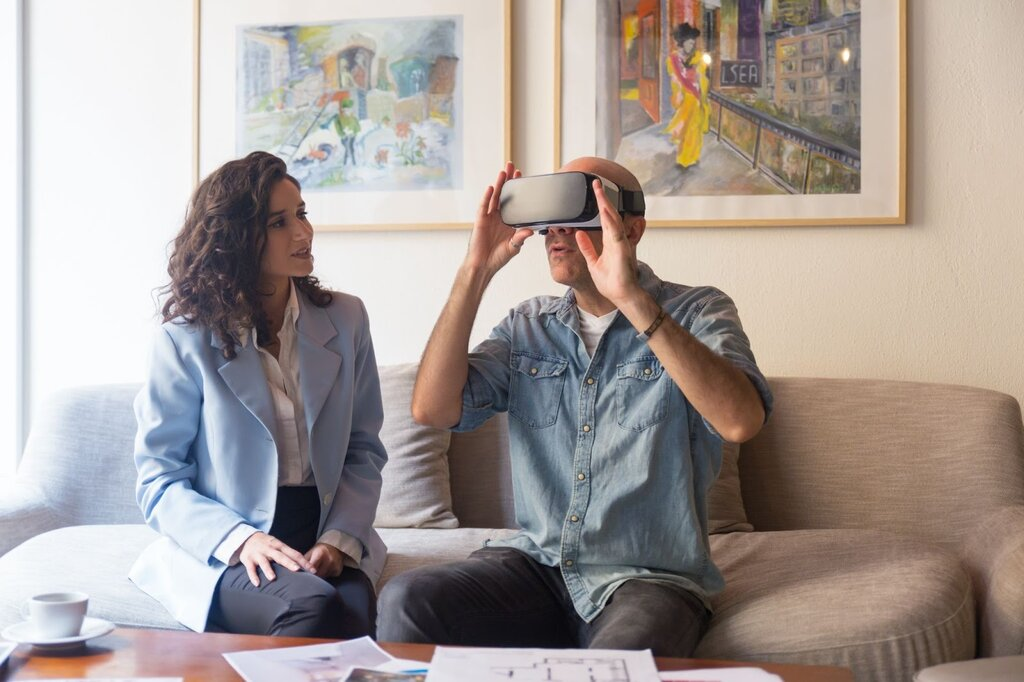
This is where it gets genuinely interesting. digital ecards used to mean clicking a link to read text on your laptop screen. Functional but forgettable. In VR, they transform into interactive memorial artifacts you discover inside three-dimensional spaces. Instead of scrolling through condolences on your phone, you might “unwrap” one in virtual reality that unfolds into your aunt’s voice message, a photo montage your college roommates assembled, or a 3D recreation of a memory you shared with the person you lost.
How VR Ecards Work Differently
Think of them less like cards and more like experiential gifts you navigate. Certain platforms allow collaborative creationmultiple contributors layering their messages, photos, and audio into a single piece that reveals itself as you explore. Others construct entire tribute walls inside VR memorial experiences, where attendees wander through a gallery of community remembrances.
Writing Grief-Supportive VR Ecard Messages
The fundamentals of condolence writing still apply, but VR’s immersive quality amplifies the weight your words carry. Name the loss specifically. If you have a concrete memory, share it. Offer actual, actionable help instead of the useless “let me know if you need anything.”
Skip the minimizing of garbage (“they’re in a better place”), toxic positivity, and uninvited opinions about how grief is supposed to unfold. Remember: the person receiving your message might be standing inside a memorial environment, emotionally raw and undefended. Your words don’t just landthey echo.
Building Immersive Grief Support Networks That Actually Work
Immersive grief support networks only succeed when they put safety above feature lists. You need clear protocols for who enters and how, robust moderation that intervenes when necessary, and privacy settings that default to maximum protection. Skip these fundamentals, and you’ve just built another place for vulnerable people to feel exploited and retraumatized.
Network Types and Who They Serve
Closed bereavement circles work beautifully for specific loss categorieslosing a partner, losing a child, suicide loss, and pregnancy loss. These targeted communities directly combat the “nobody understands my particular grief” isolation. Faith-based or culturally-specific rooms honor the reality that mourning rituals aren’t one-size-fits-all.
Open community spaces serve a completely different function. They’re ideal for people testing the waters, trying to figure out whether VR support resonates before committing to an intimate group. The tradeoff? Less depth, but also less intensity.
The Support Ladder Approach
Targeted interventions can restore coherence to fragmented systems. One study documented improvement from 9.6 ± 1.7 elements down to 4.9 ± 2.1 when stabilizing factors were reintroduced. Grief support follows similar logic. It works best when it meets people at their current capacity and provides scaffolding, not demands.
Where Virtual Reality Grief Therapy Fits Clinically
Let’s establish something crucial upfront: virtual reality grief therapy doesn’t replace licensed mental health intervention when someone’s actively in crisis. It’s a tool that maximizes effectiveness when woven into comprehensive support, not deployed in isolation.
Evidence-Informed Applications
VR demonstrates real promise for guided exposure to memory cues, allowing people to process loss in measured increments rather than getting flooded. Emotion regulation techniquesbreathwork, grounding exercisestranslate remarkably well to immersive environments. Meaning-making work, like legacy projects or continuing bonds rituals, benefits enormously from VR’s capacity to construct symbolic spaces.
But here’s what it categorically cannot do: substitute for crisis intervention when someone’s experiencing self-harm ideation, treat severe dissociative disorders, or replace trauma-informed therapy after sudden or violent death. Understanding limitations matters.
Ethical Boundaries for Community Hosts
If you’re facilitating these spaces without clinical licensure, don’t make therapy claims. Full stop. Obtain explicit, informed consent before anyone shares photos, voice recordings, or identifying details. And for the love of everything decent, steer clear of AI “mediumship” gimmicks that claim to resurrect the deceased for conversationthat veers into predatory exploitation frighteningly fast.
Common Questions About VR Grief Support
How has VR been used to help people with PTSD desensitize them to triggers?
VR recreates real-world scenarios, which allows PTSD patients to gradually acclimate to distressing stimuli within controlled parameters. They can reprocess traumatic associations safely, developing tolerance to triggers that would overwhelm them in physical reality without that protective framework.
What are the two main parts of any VR experience?
The display system or headset projects the virtual environment to users. Input mechanisms like motion controllers enable interaction with digital surroundings. These components work together to generate the presence sensation that distinguishes VR from conventional screen-based media.
Can you send VR ecards without owning a headset?
Absolutely. Many platforms provide hybrid access where you can create and view digital ecards in virtual reality environments through standard 2D interfaces on your phone or laptop. You sacrifice full immersion, but you can still meaningfully participate in memorial spaces and tribute galleries.
Final Thoughts on VR Grief Support
VR-based grief resources and memorial ecards aren’t replacing traditional mourning practicesthey’re expanding what becomes possible when distance, disability, or circumstances make physical gathering prohibitively difficult.
The technology itself matters far less than the intention powering it: constructing spaces where grief doesn’t require performance or sanitization, where genuine presence matters more than polished appearance, and where connection happens according to your timeline instead of someone else’s expectations.
If you’re exploring these tools, start modestly, prioritize safety and informed consent above everything, and remember that effective grief supportvirtual or otherwisesits with people in their pain without attempting to fix what can’t be fixed.